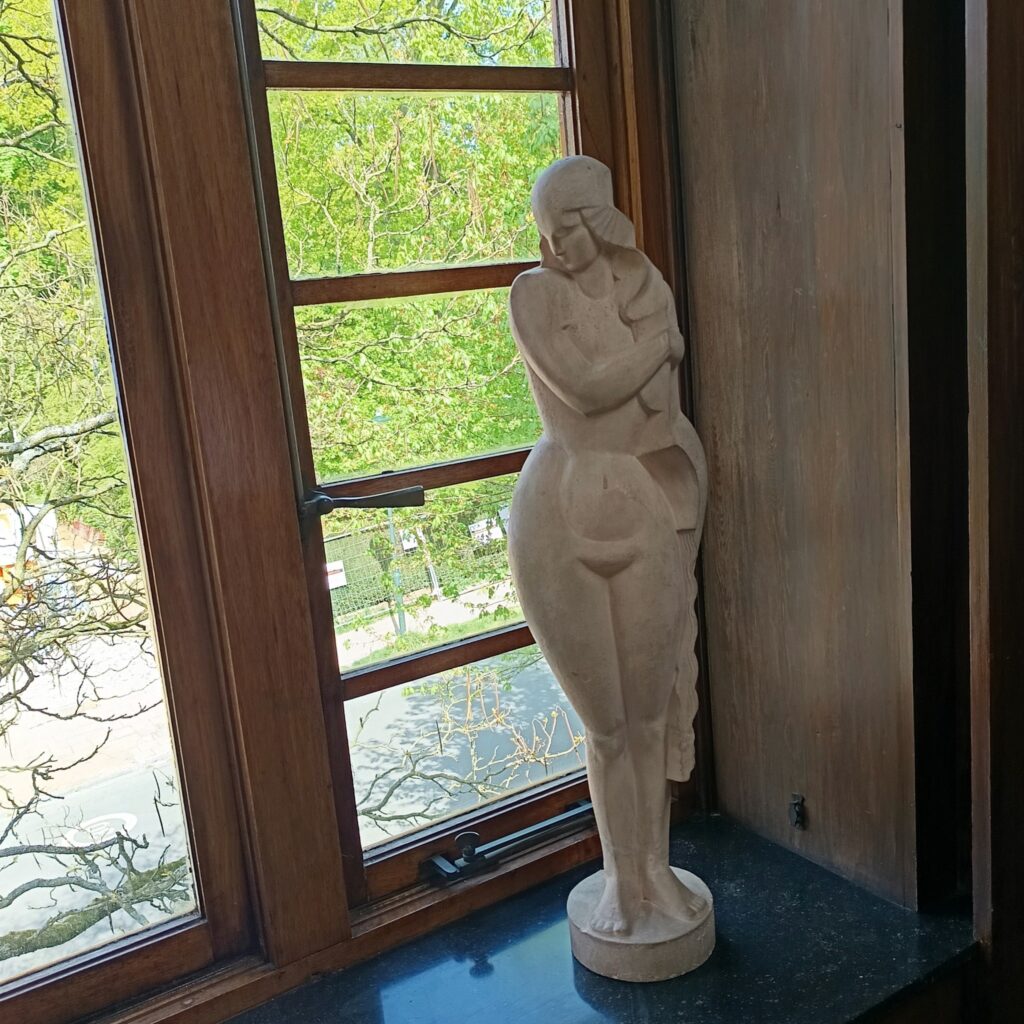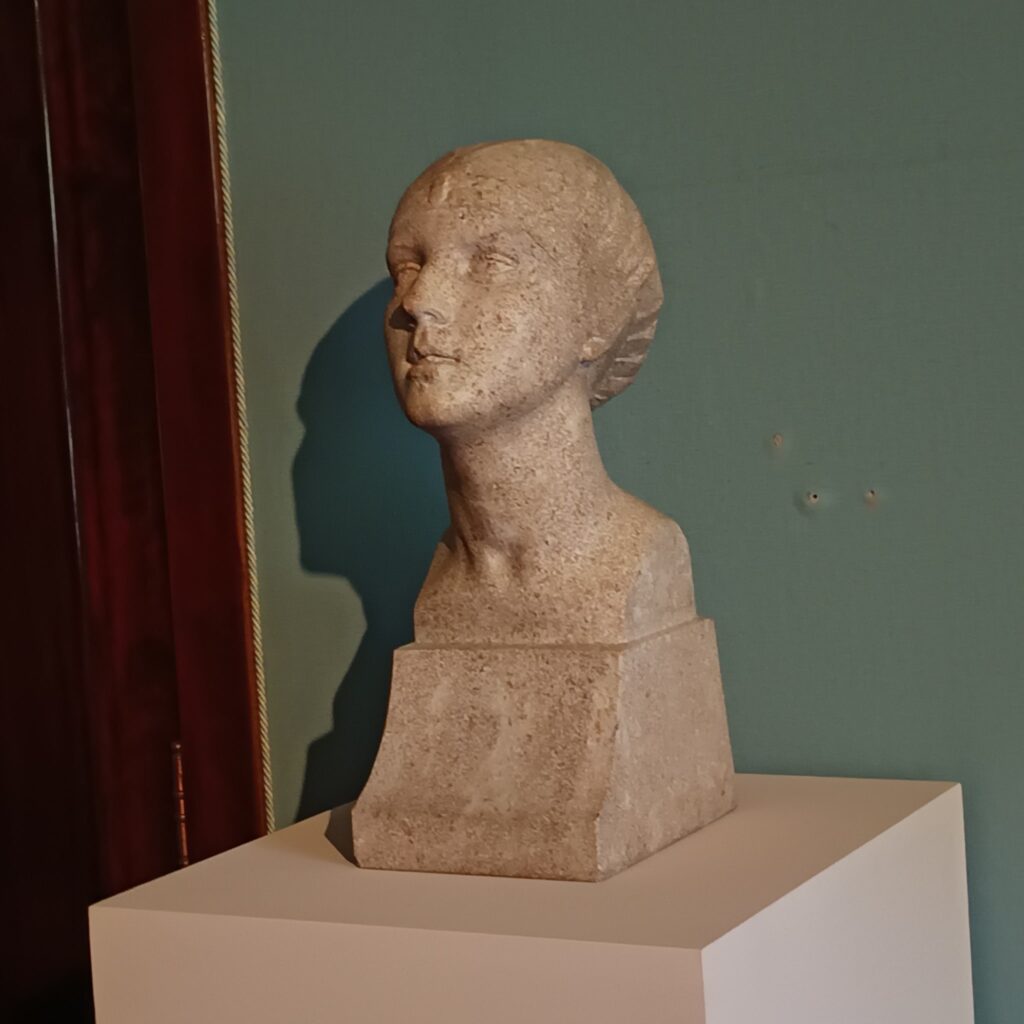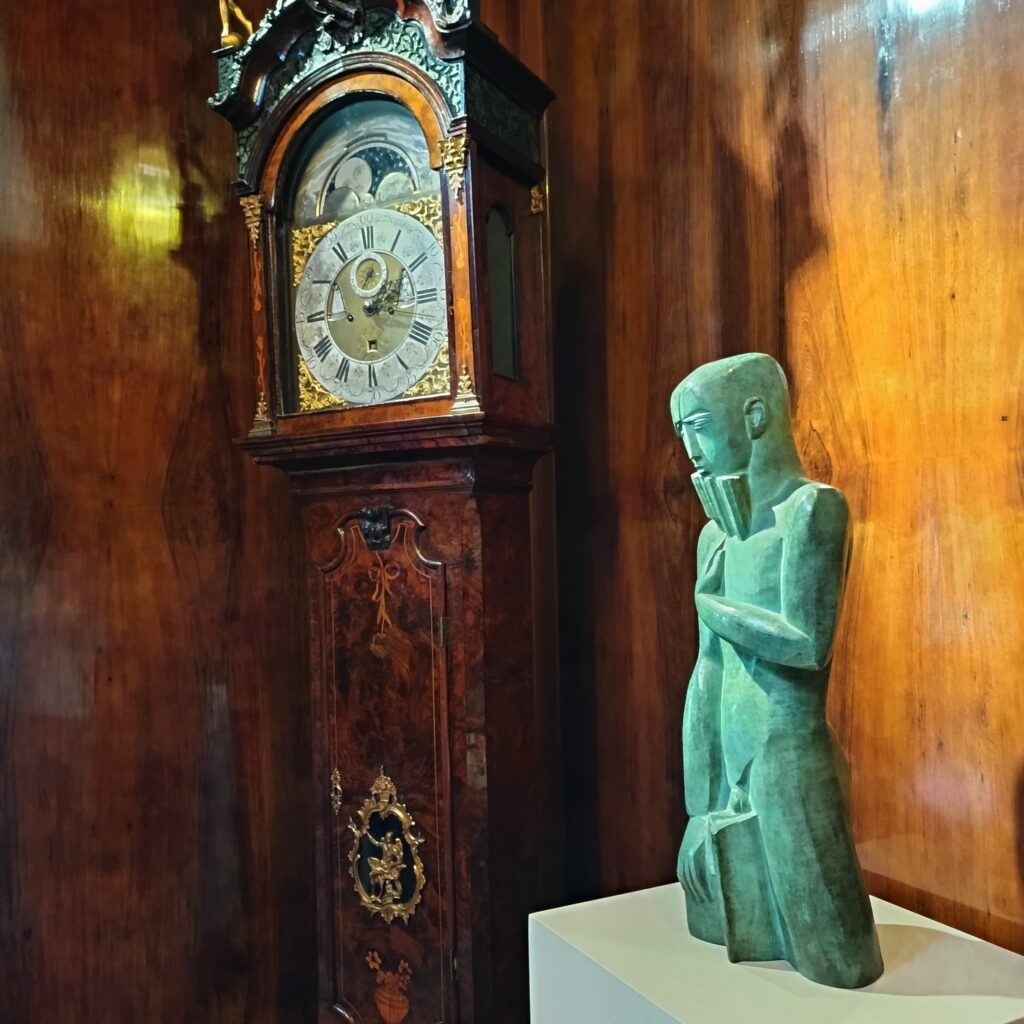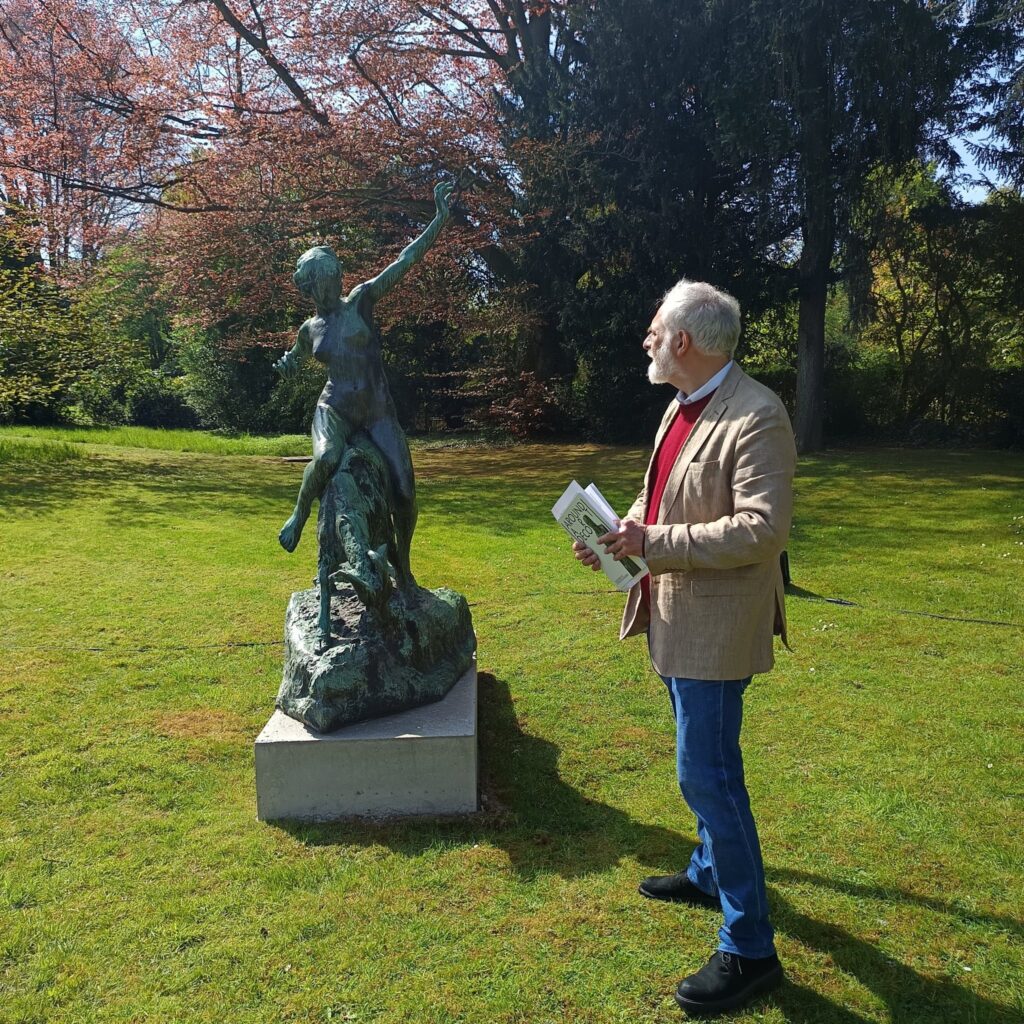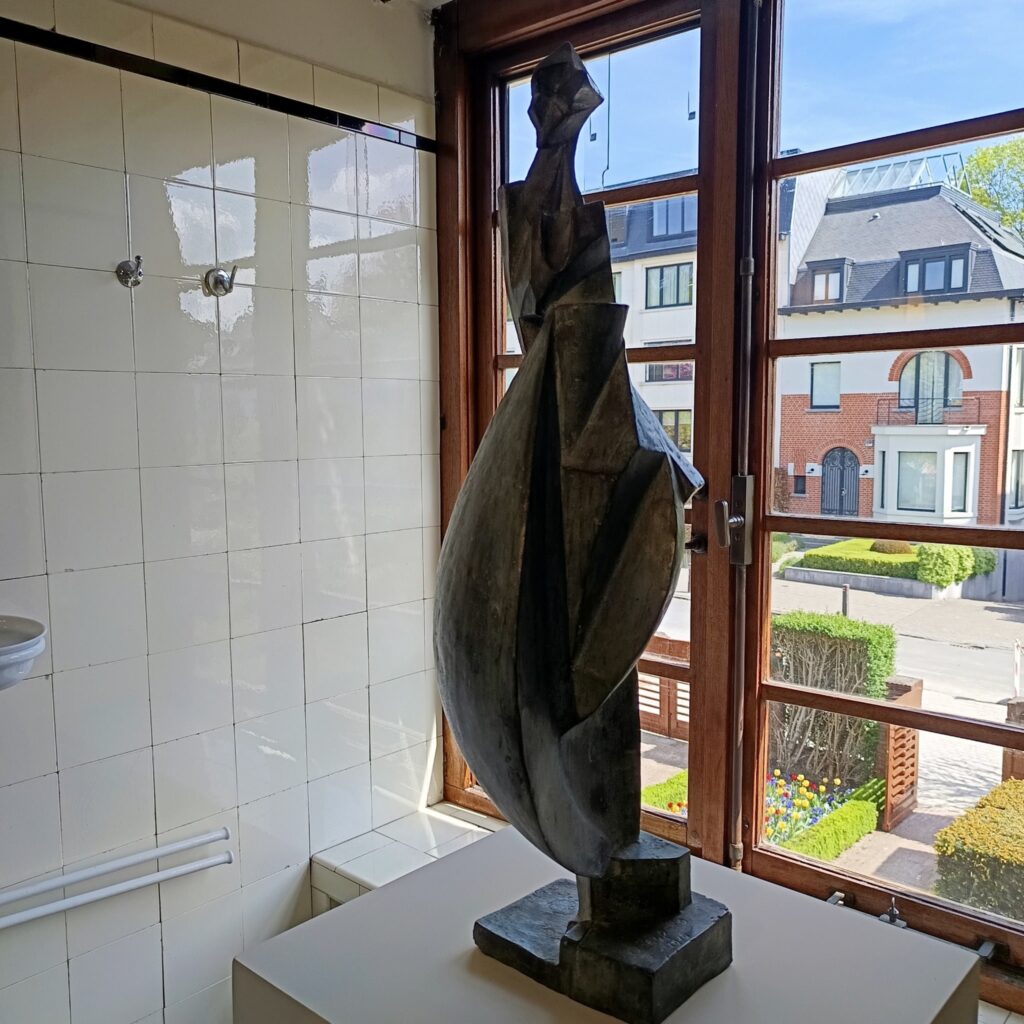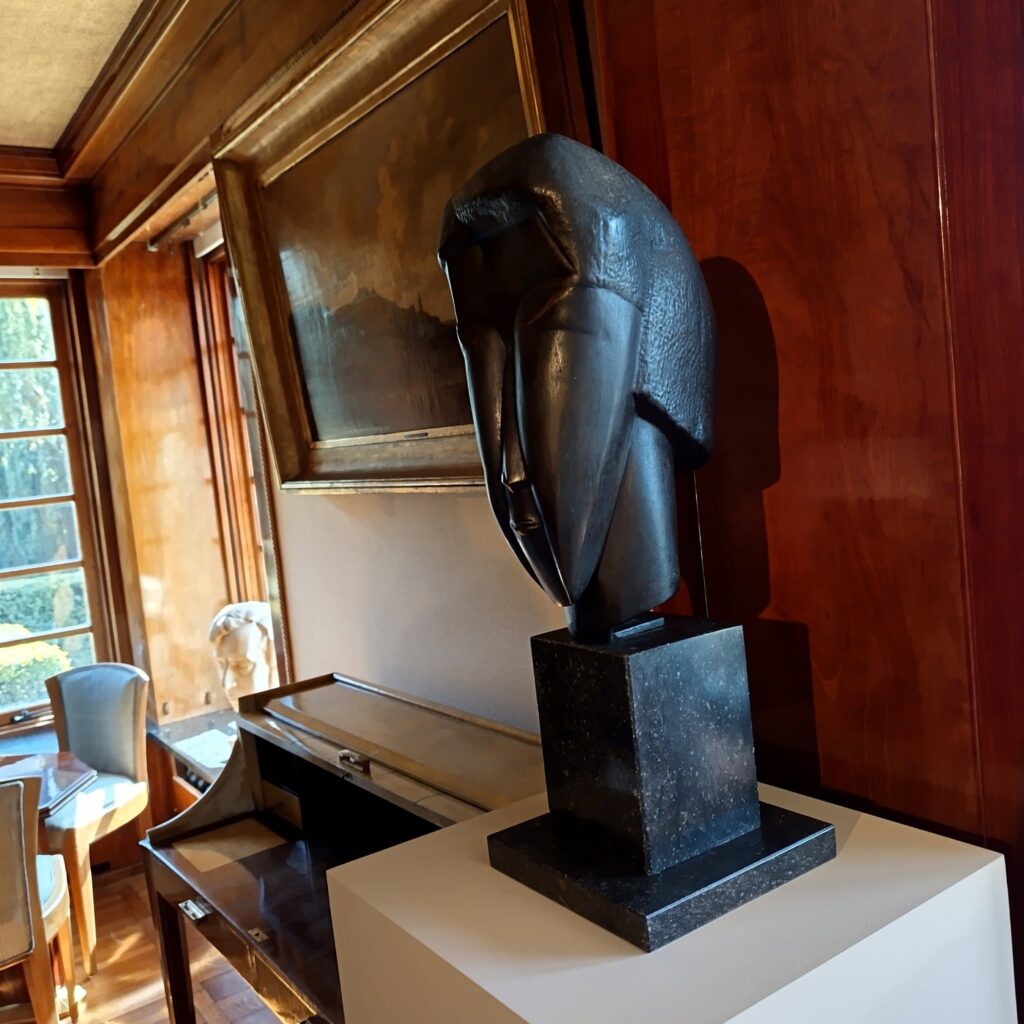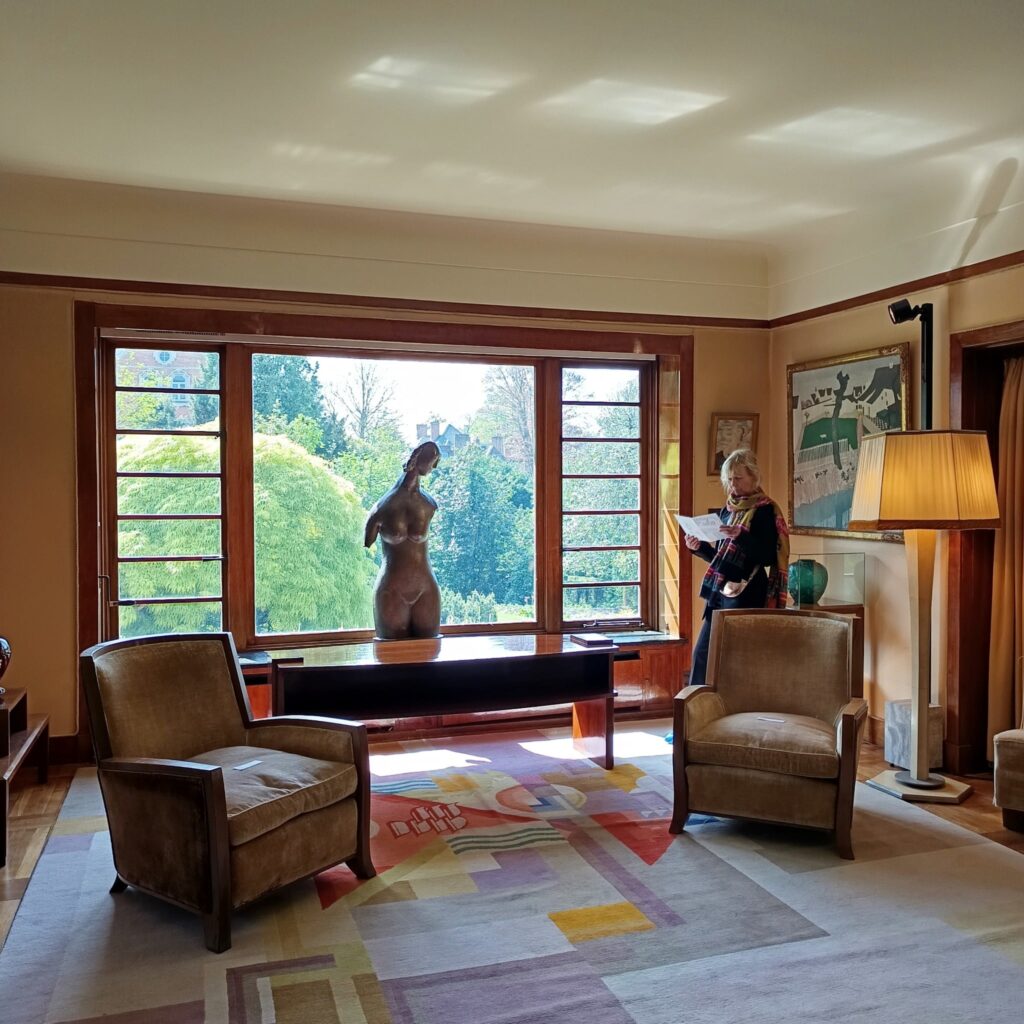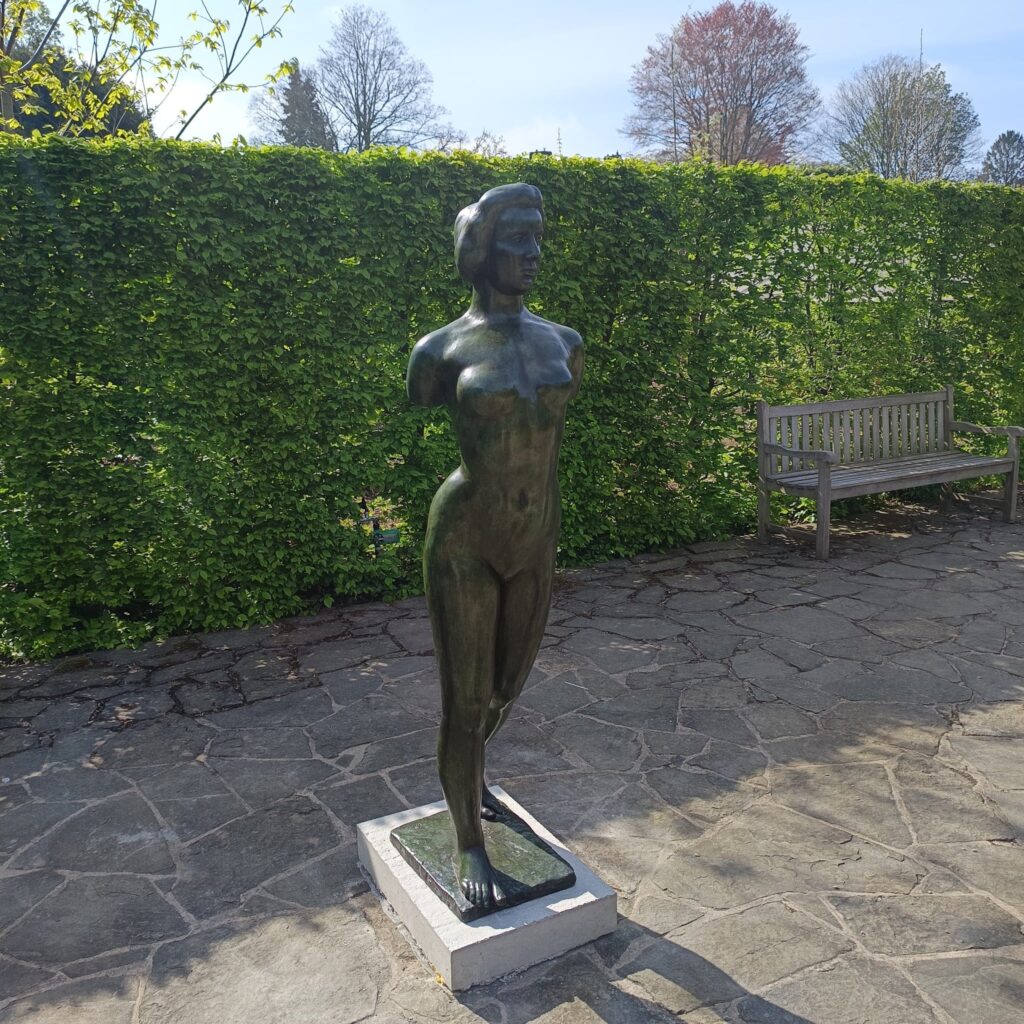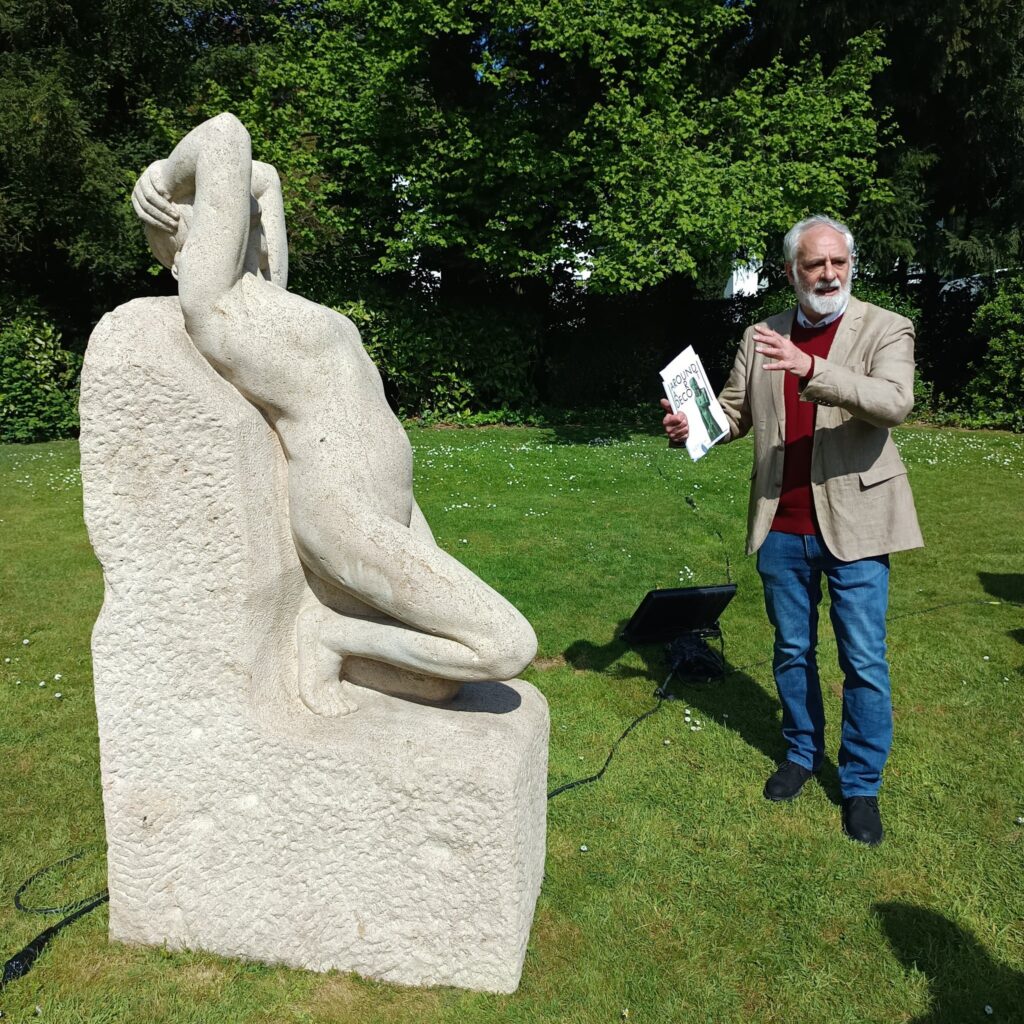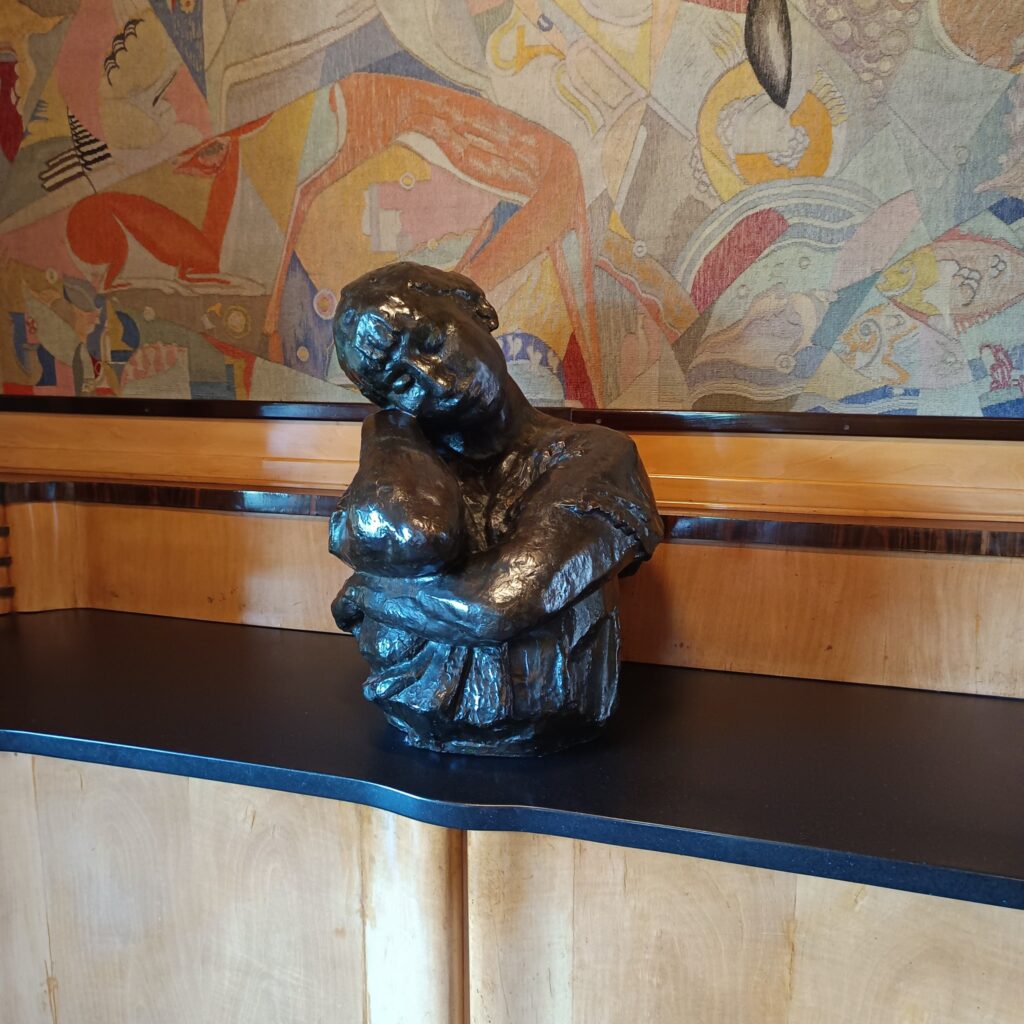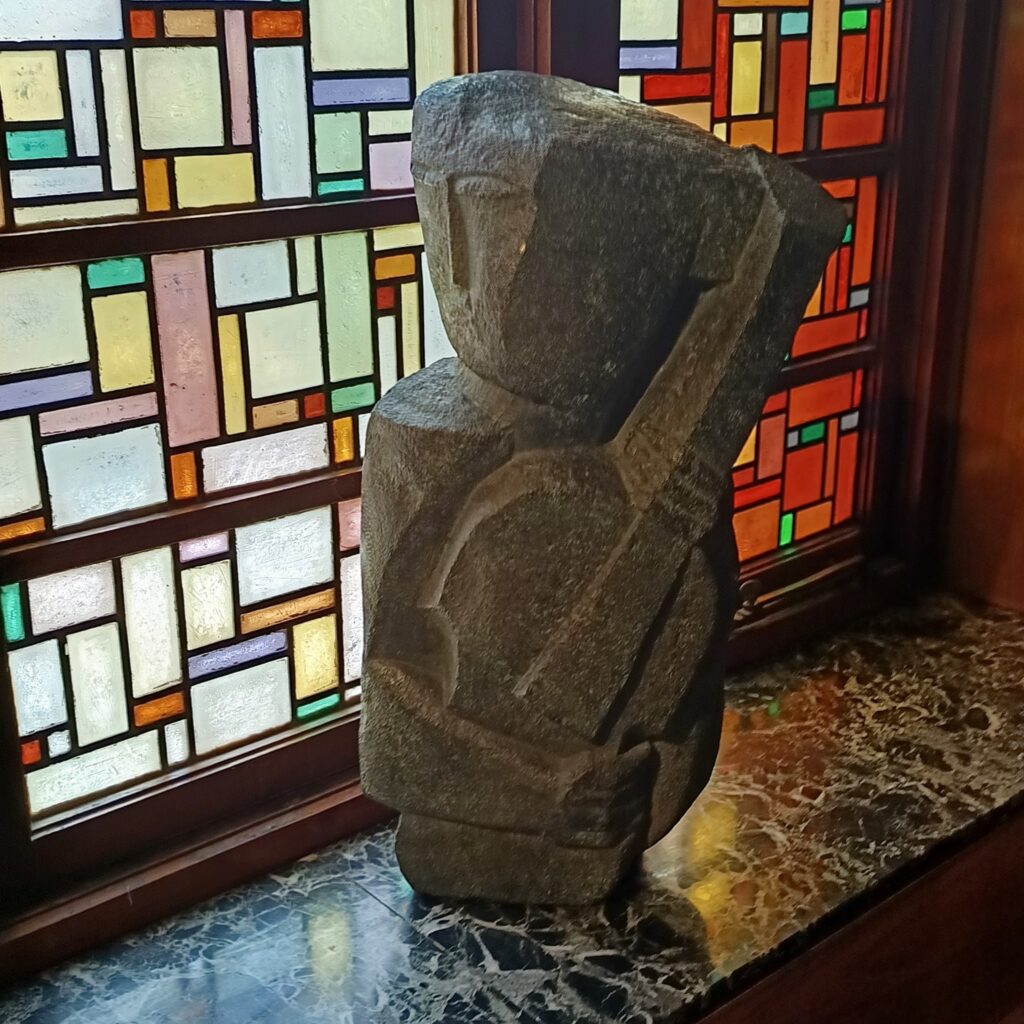
The exhibition ‘AROUND ART DECO. Interbellum Sculptures’ at the Van Buuren Museum & Gardens takes place within the framework of the Art Deco Year in Belgium and sends greetings to the legendary Exposition internationale des Arts décoratifs et industriels modernes in Paris (1925), an event that gave its name to the Art Deco style and defined the visual language of an entire era. At the same time, this exhibition celebrates the 50th anniversary of the museum itself, as if to underline that art is always a dialogue between generations and cultures.
The very fact that we have such a museum in Brussels is already a miracle. Van Buuren Museum & Gardens is the result of the personal choice and passion for art of two people, David and Alice van Buuren. The couple had no children, and perhaps that is why this house, this garden, this collection – have not been atomised over time, ‘divided by the interests of heirs’. Instead, they remained whole. The couple donated everything to the city. As if they knew that real art should belong to everyone. Although today museum visitors are by default the chosen ones.
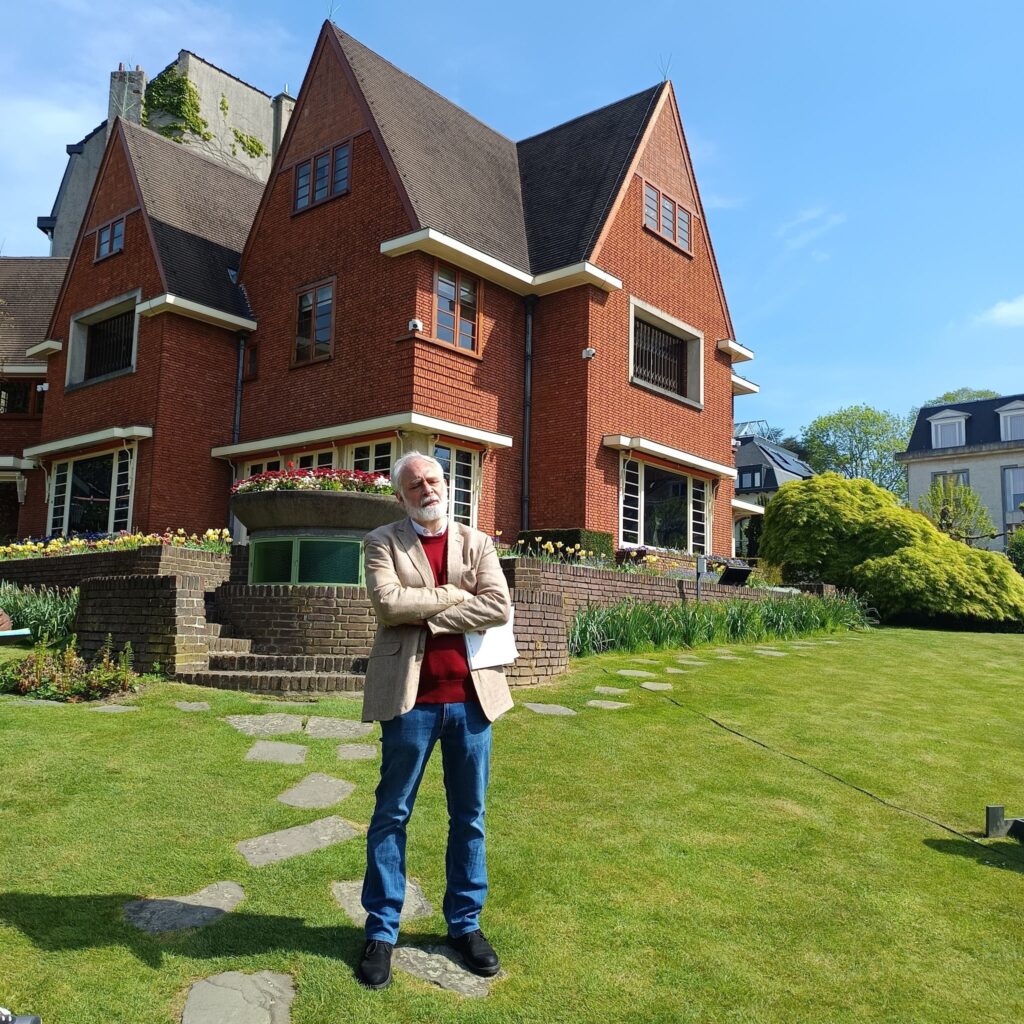
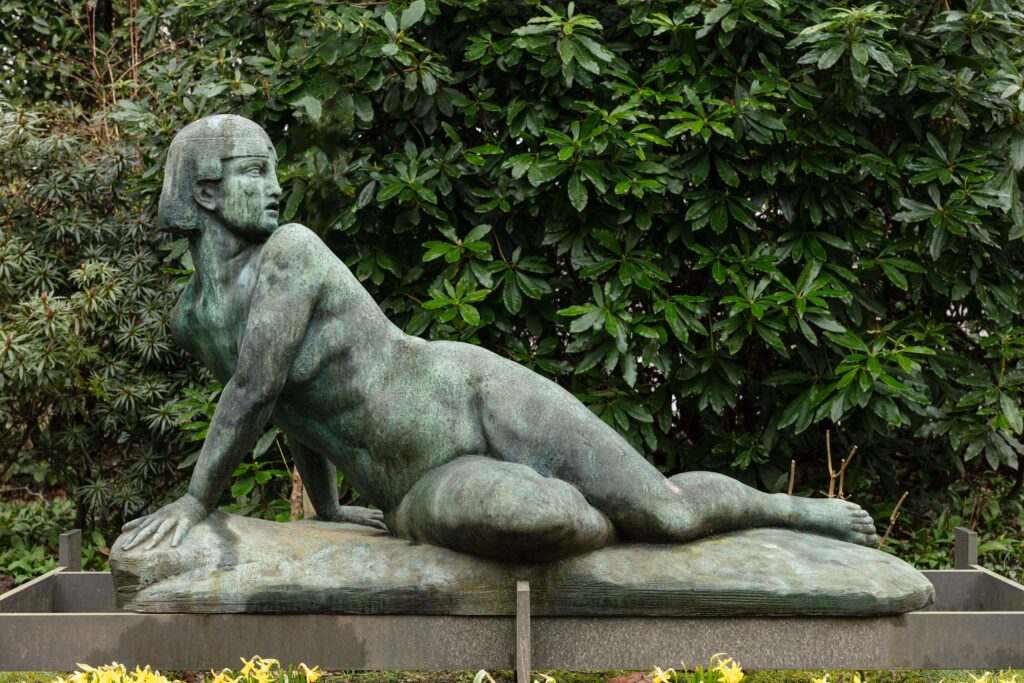
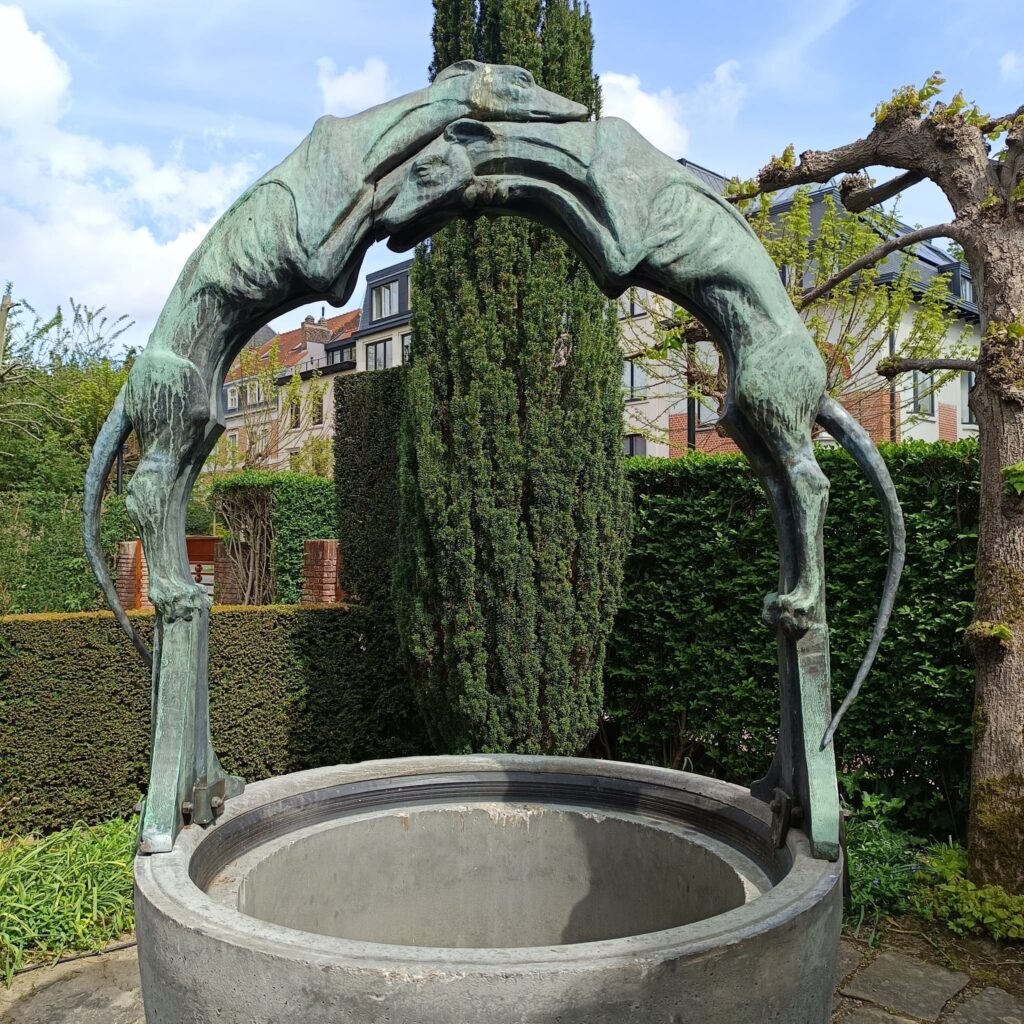
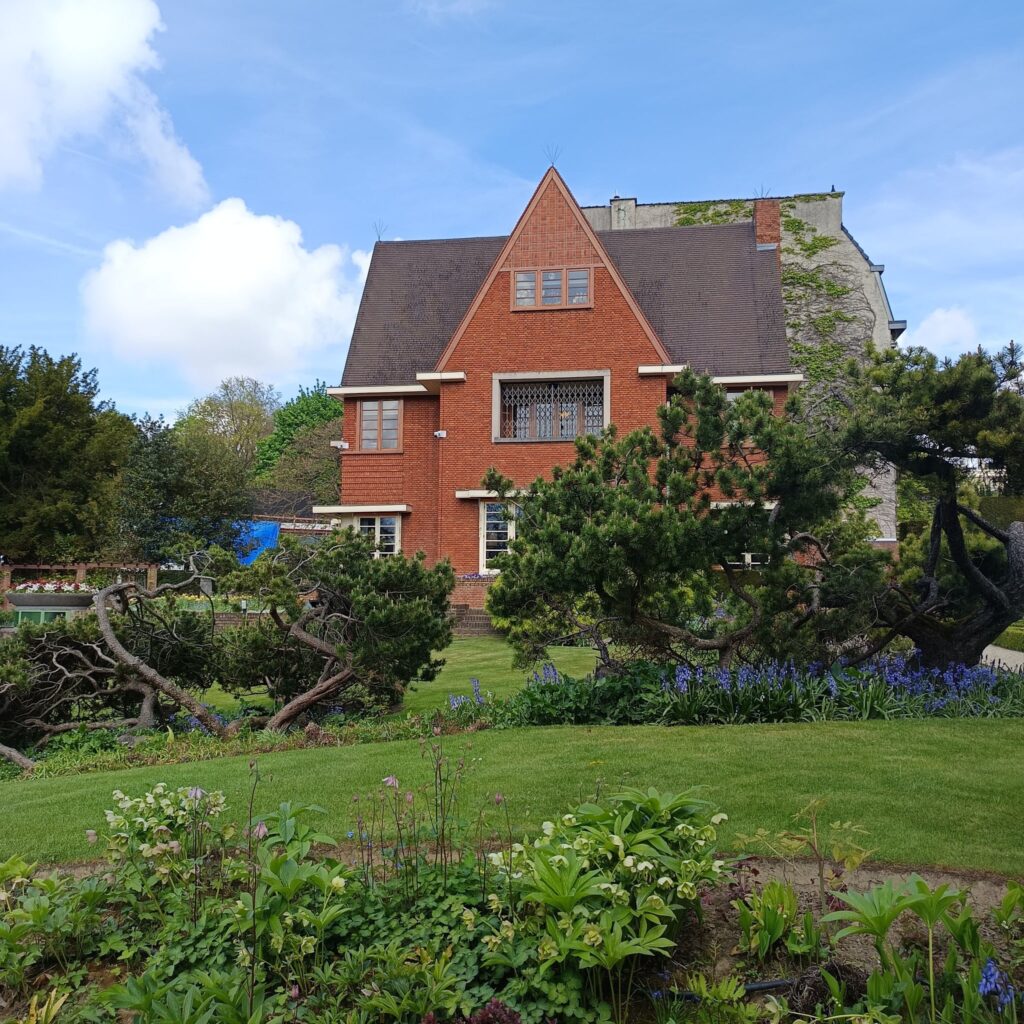
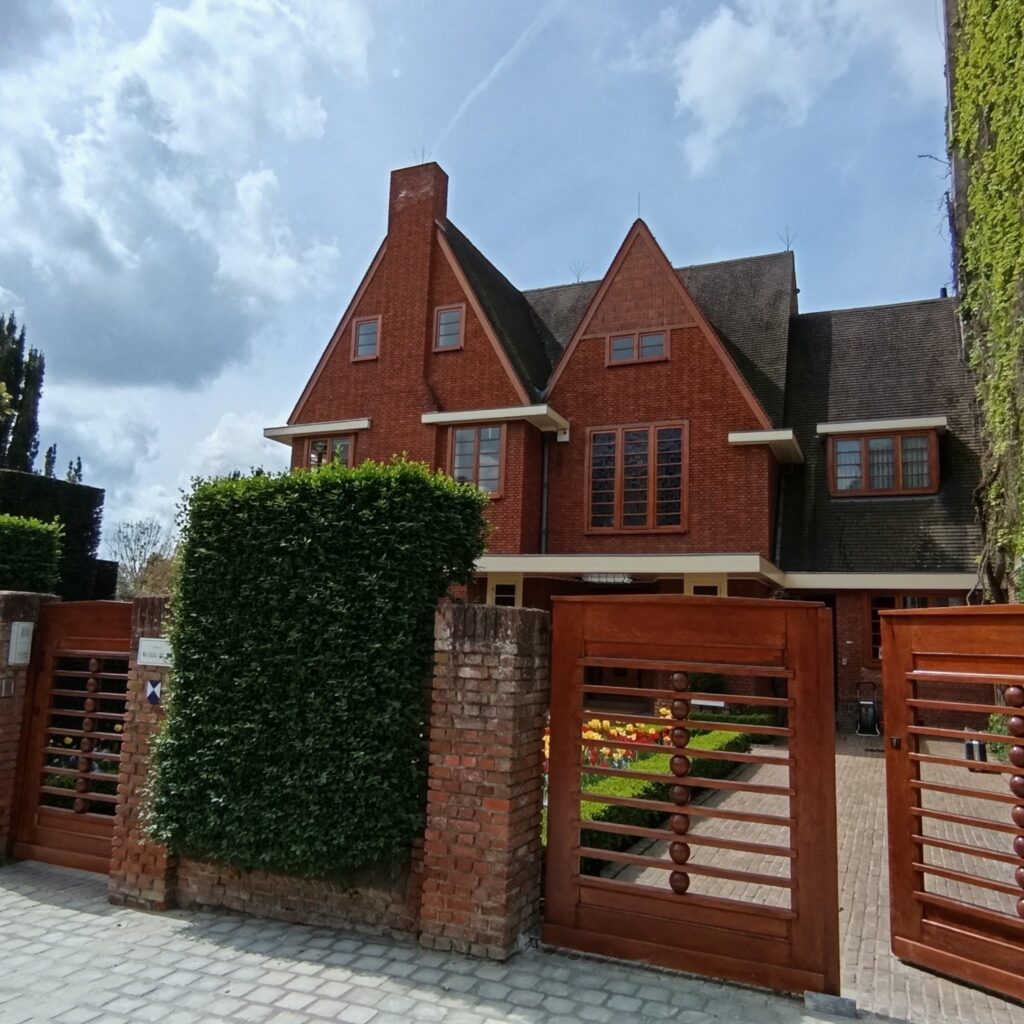
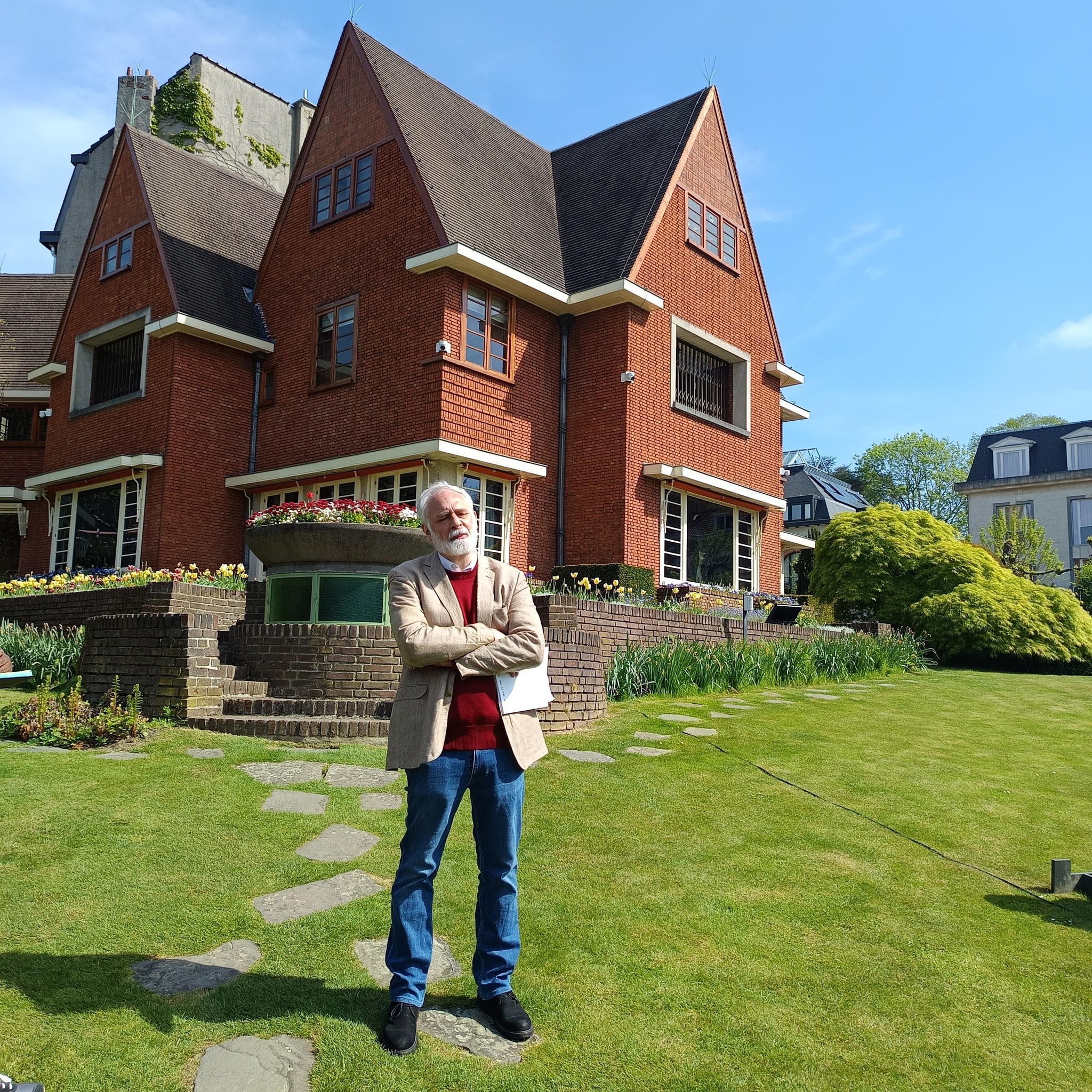
From the first steps through the halls of the museum and the alleys of the garden you can feel how subtly the curators – Eric Hennaut and Manon Magotteaux – have built this dialogue between tradition and modernity. The sculptures live in symphony with the architecture – the same architecture that was created in 1928 by Léon Govaerts and Alexis Van Vaerenbergh as the Gesamtkunstwerk – a shared work of art. The exhibition is not a random collection of sculptures from the interwar period. It is a delicately constructed space where form and emotion, line and gesture, style and the spirit of the time merge into a single plastic story. The sculptures float out of time, immersing us in the era between the two world wars – in its trepidation, search, liberation of form, anxiety in the face of the future.
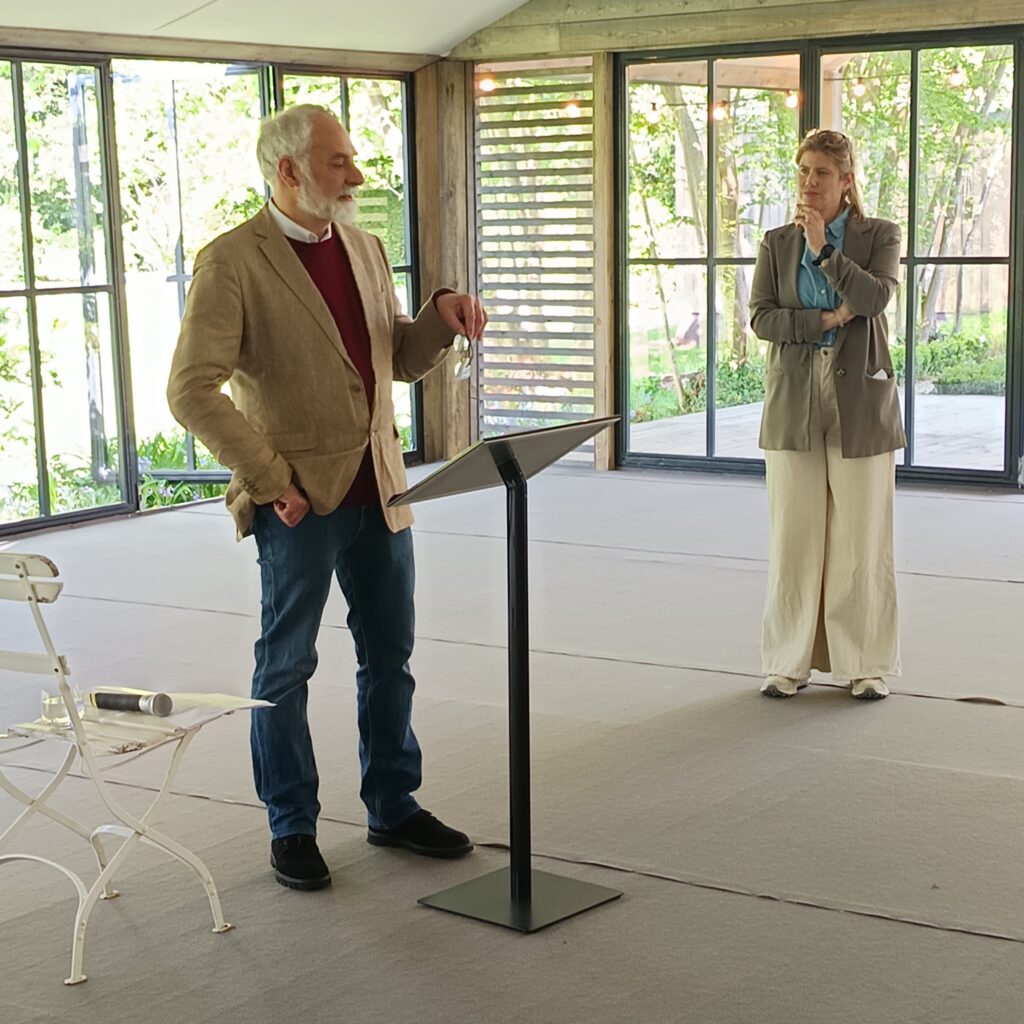
Our visit was given a special depth by our guide – curator Eric Hennaut. His narration – intelligent and precise – helped us see nuances that might have slipped through. An authority on the history of Belgian architecture and decorative arts, he is best known as the author of a book on Old England, one of the architectural masterpieces of the Belgian capital, the Musical Instrument Museum building in Brussels.
The exhibition’s sculptures from museum and private collections are organically integrated into the architecture of the museum, which was created in 1928 by Léon Govaerts and Alexis Van Vaerenbergh as the Gesamtkunstwerk – ‘common work of art’.
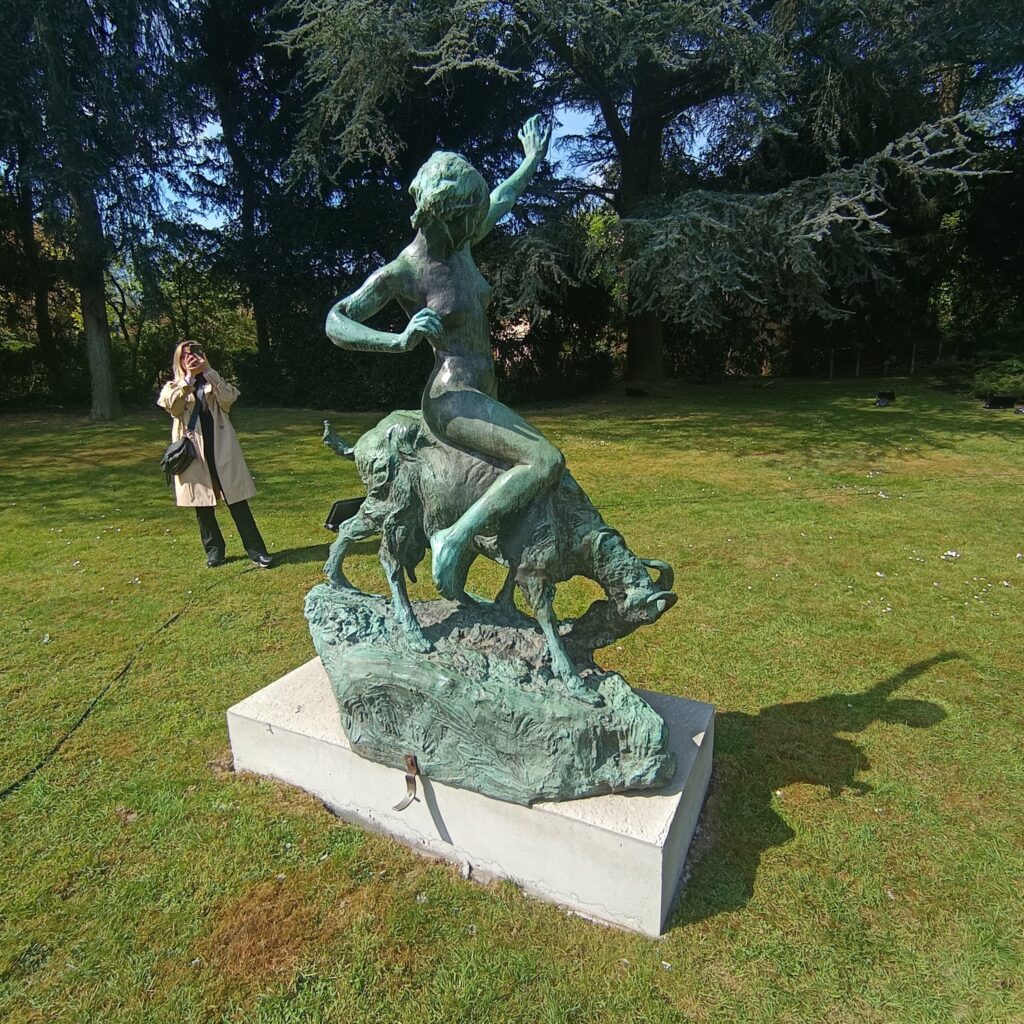
Philippe Wolfers and Rik Wouters, Oscar Jespers and Constant Permeke, the delicate and powerful Ossip Zadkine, the plastic Aristide Maillol and the brilliant frères Martel meet each other here. But we would especially like to recognise the female voices. The works of Yvonne Serruys, Jeanne Tercafs, Rachel Van Dantzig sound poignant and unexpectedly modern, expanding the canon and refreshing the perception of the era. Not for the sake of feminists. Paying tribute to talented women.
This exhibition is neither an archive nor a showcase. The geometry of Art Deco meets here with the expressiveness of Art Nouveau, the sensuality of form with an intellectual challenge. We are not just looking – we are moving through the culture of the first third of the 20th century, which was searching for a language for a new people and a new world.
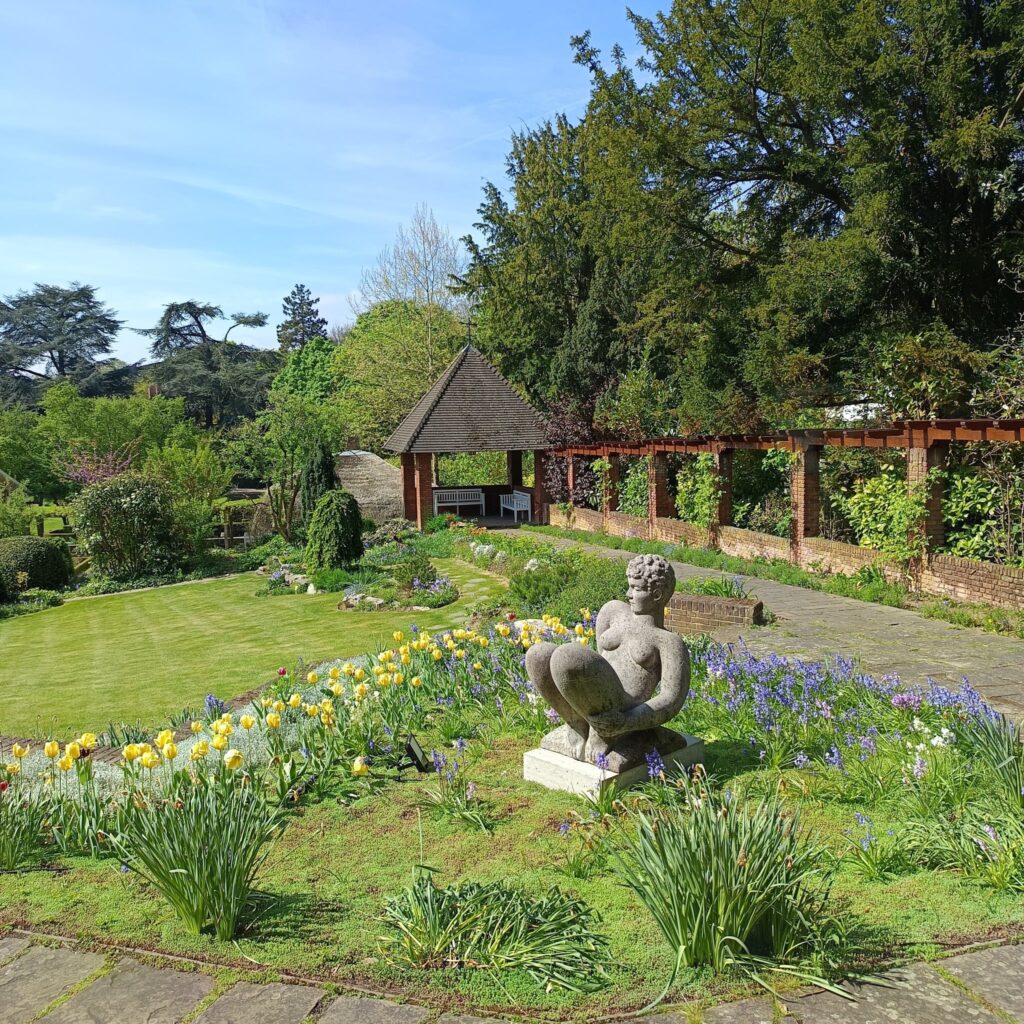
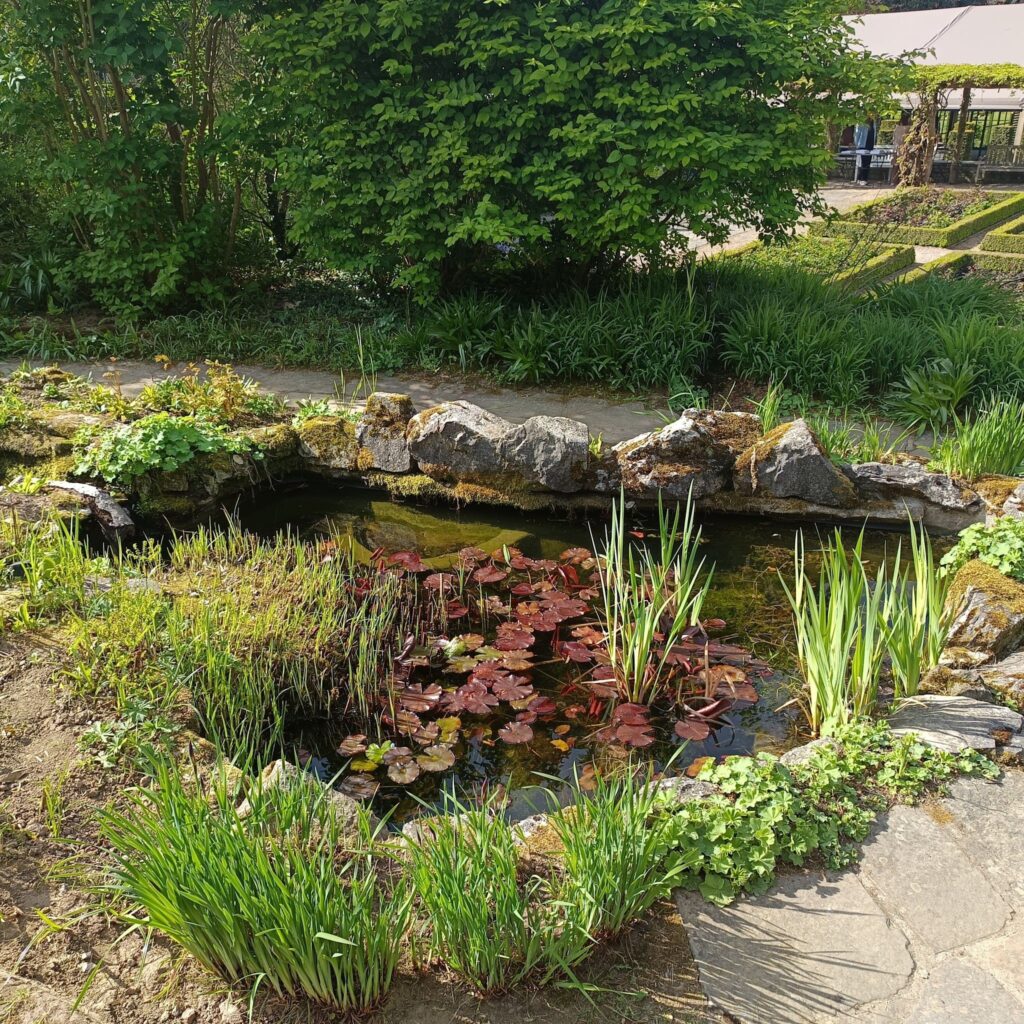
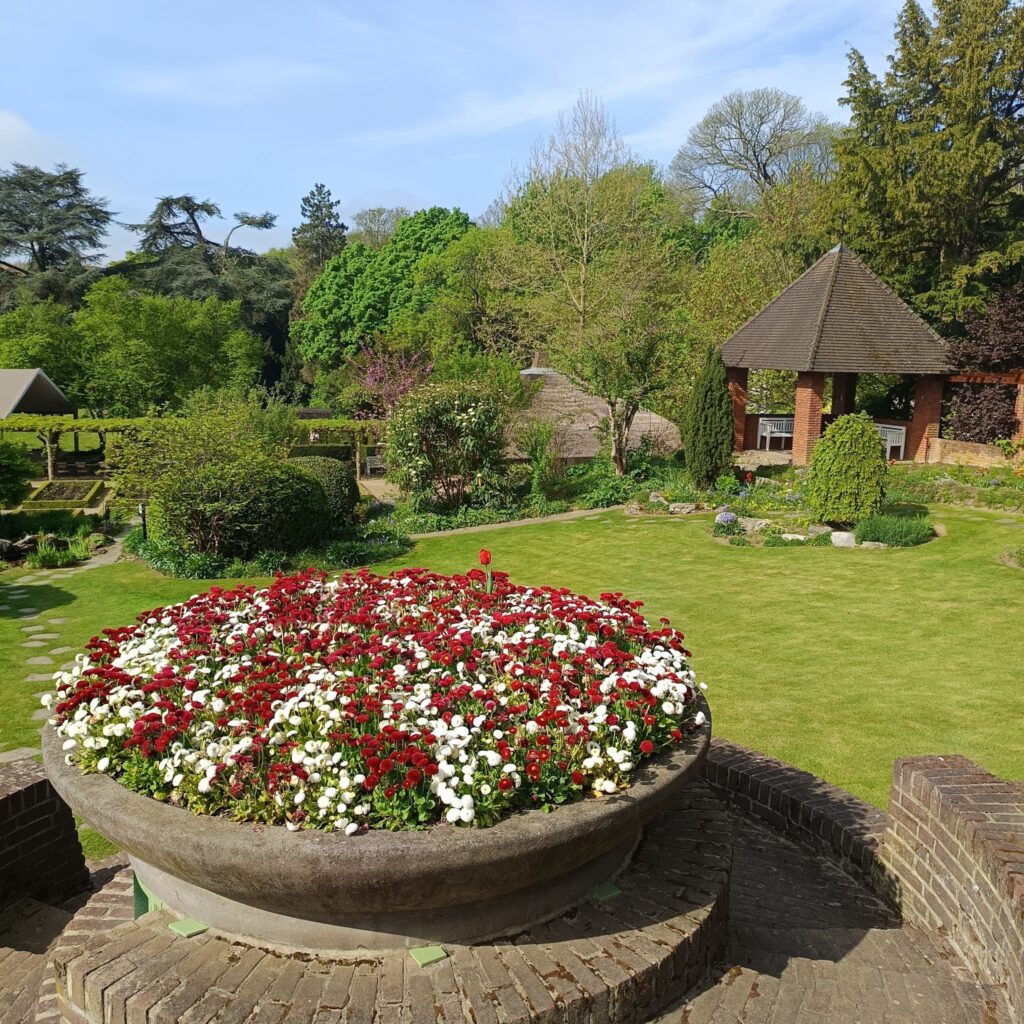
The museum’s gardens, designed by Jules Buyssens (the original designer of the Gardens) and René Pechère (author of a more modern reconstruction and one of Belgium’s most renowned landscape designers), continue the dialogue with sculpture in the language of nature. Here the alleys, the pond, the rotundas and the entire landscape design are themselves ‘sculptural’. Walking through the Labyrinth or the Garden of the Heart becomes part of the artistic experience – as if you yourself become the protagonist of this subtle and personal story.