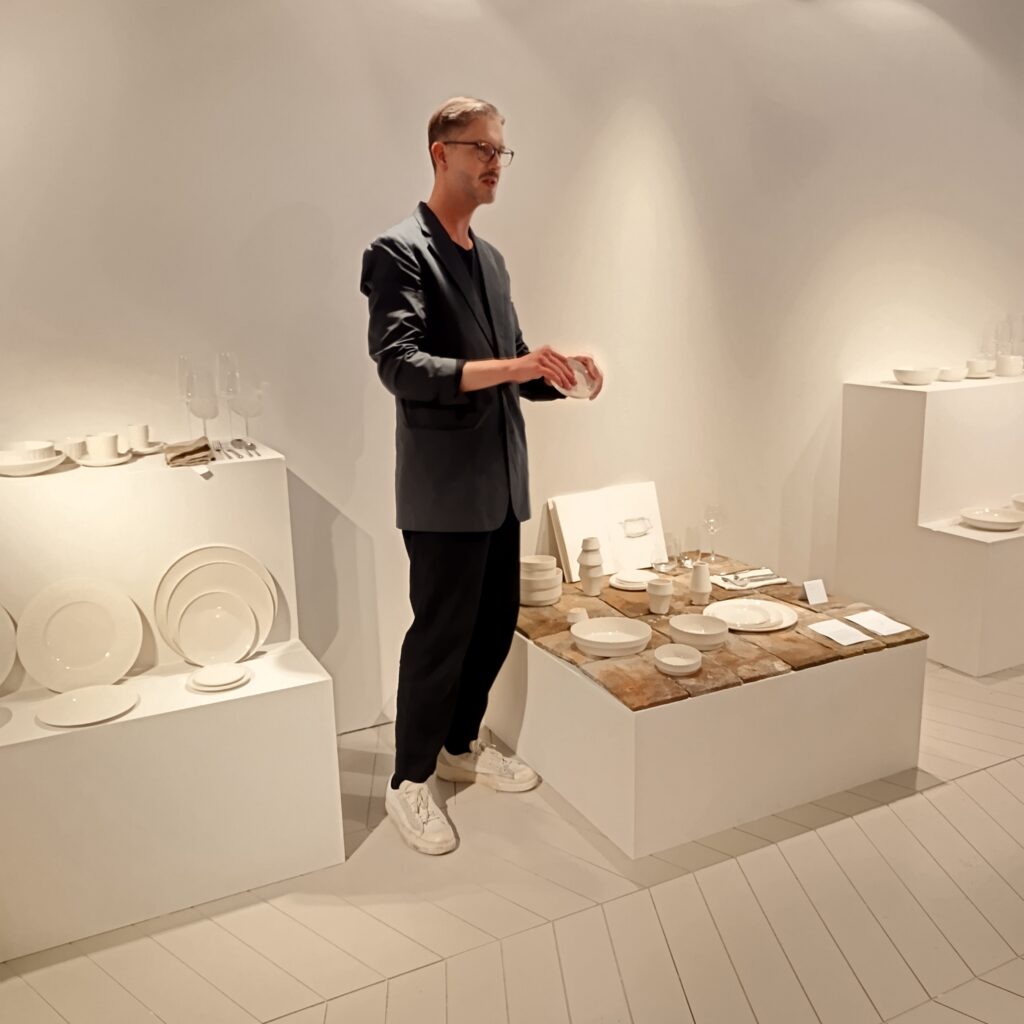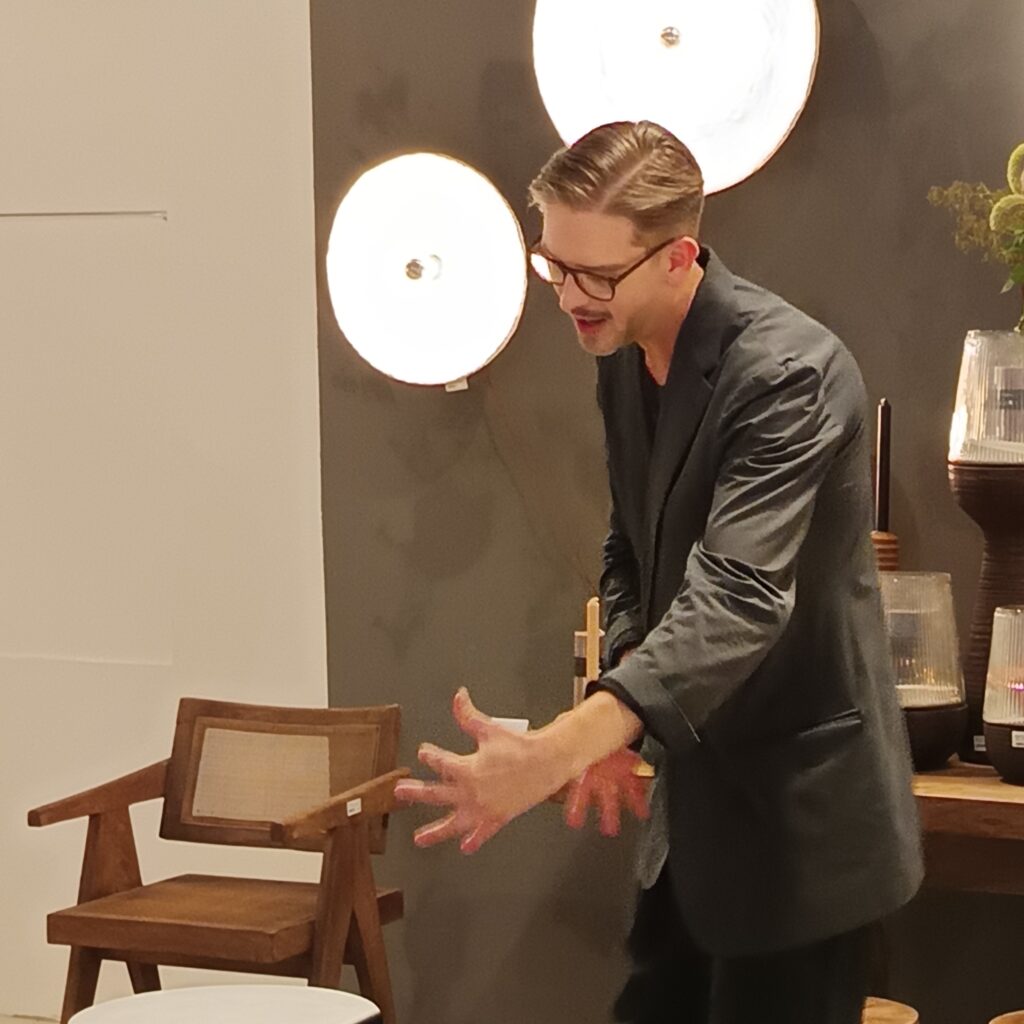

Morning in Kontich, a suburb of Antwerp. I step into the bright, minimalist showroom of Pomax — the Belgian brand that has been crafting interior solutions for over 30 years, defined not by flashy luxury, but by a sense of calm, comfort, and meaning. I would say “new luxery”. The space smells of wood and linen; soft light settles on the surfaces as if inviting you to slow down. Pomax sees the home as a space where the people can truly be themselves. It’s no coincidence that one of their core principles is “Soul in Your Home.” This phrase may sound poetic, but behind it lies a thoughtful philosophy: interiors are not about status, but about the soul. The reception is exceptionally warm, and so is the atmosphere of the showroom.
The company’s founder, Xavier, started with a dream in 1993 — to create objects that combine aesthetics and emotion. Today, the brand is represented in more than 80 countries, yet its spirit remains local and authentic. It is born out of respect for craftsmanship, a love for gentle imperfection (inspired by the Japanese philosophy of wabi-sabi), and the pursuit of balance between body, space, and nature. Pomax products are above all about natural materials, a muted color palette, and textures that invite touch. Each item is like a canvas: expressive enough to stand on its own, yet quiet enough not to overpower the personality of the home’s owner.
One area the brand is especially proud of is its constant experimentation with natural and sustainable materials. Here you’ll find pillows woven from banana tree fibers — unexpectedly strong and soft at the same time. Their texture speaks of both the human hand and the energy of nature. The brand also works with hemp, seaweed, and palm leaves, striving not only to surprise with texture but also to remain in harmony with the planet.
Pomax pays particular attention to the emotional aspect of living: objects should not only please the eye but also resonate on a deeper level. “We don’t create furniture, we create carriers of memory,” they say at Pomax. And it’s something you can feel. In an age of visual noise and fleeting trends, Pomax offers a rare quality — silence. Aesthetic, ecological, and human. That’s why you want to stay in their spaces. Not just to look — but to live. And perhaps that’s the true design manifesto of Pomax.

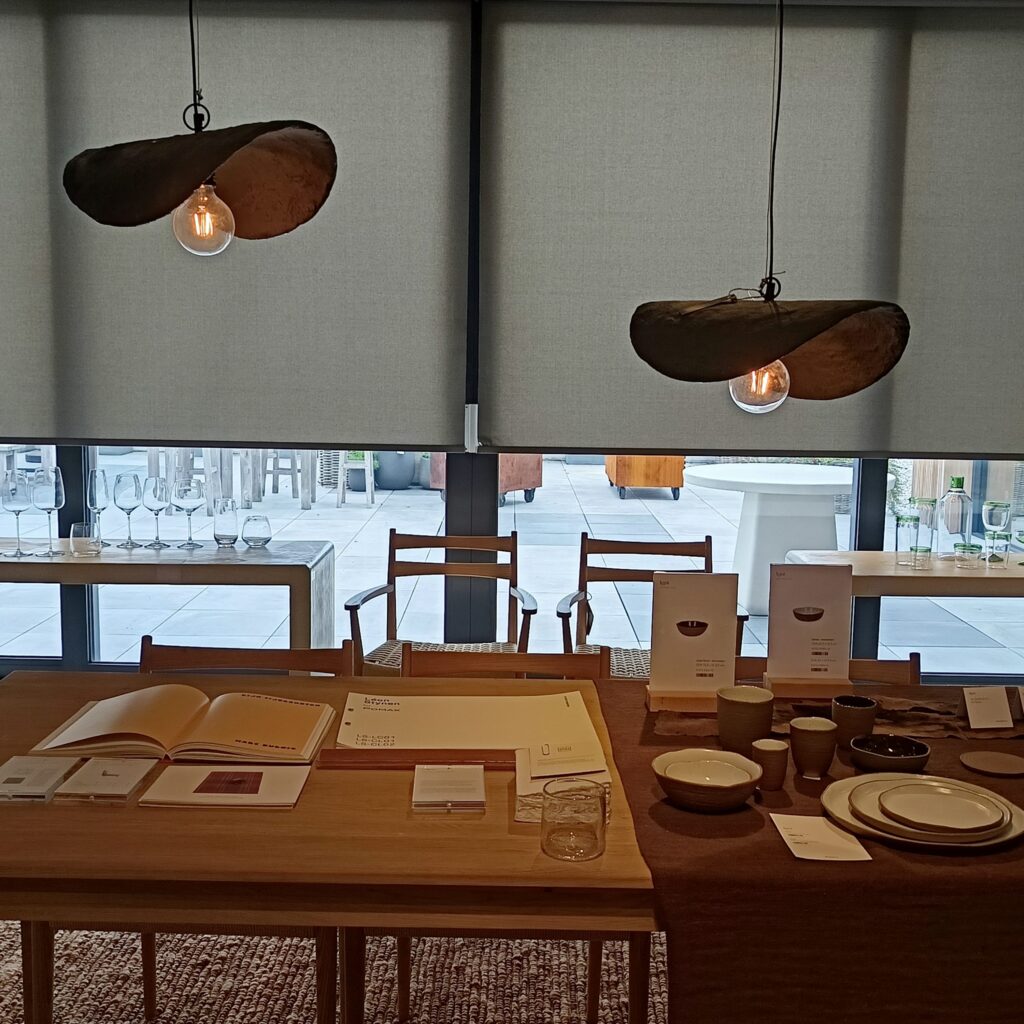
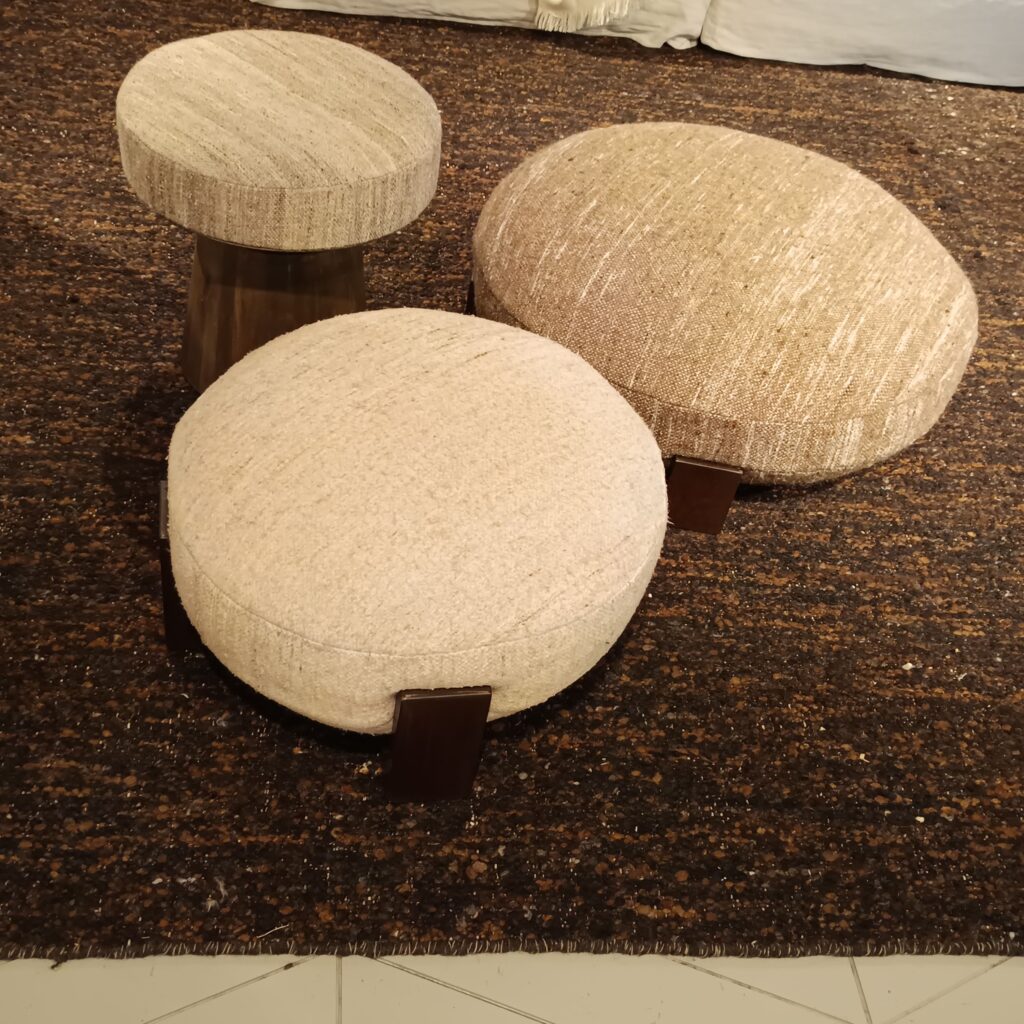
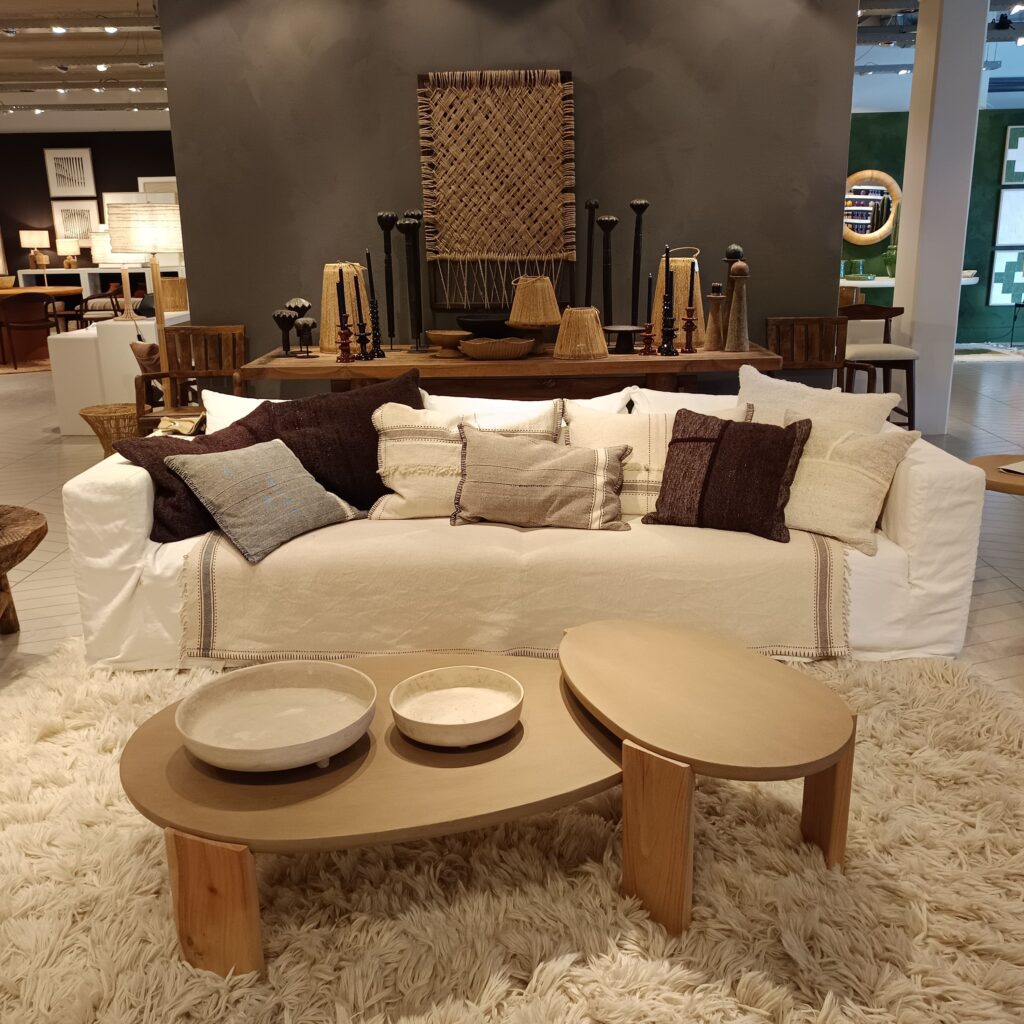
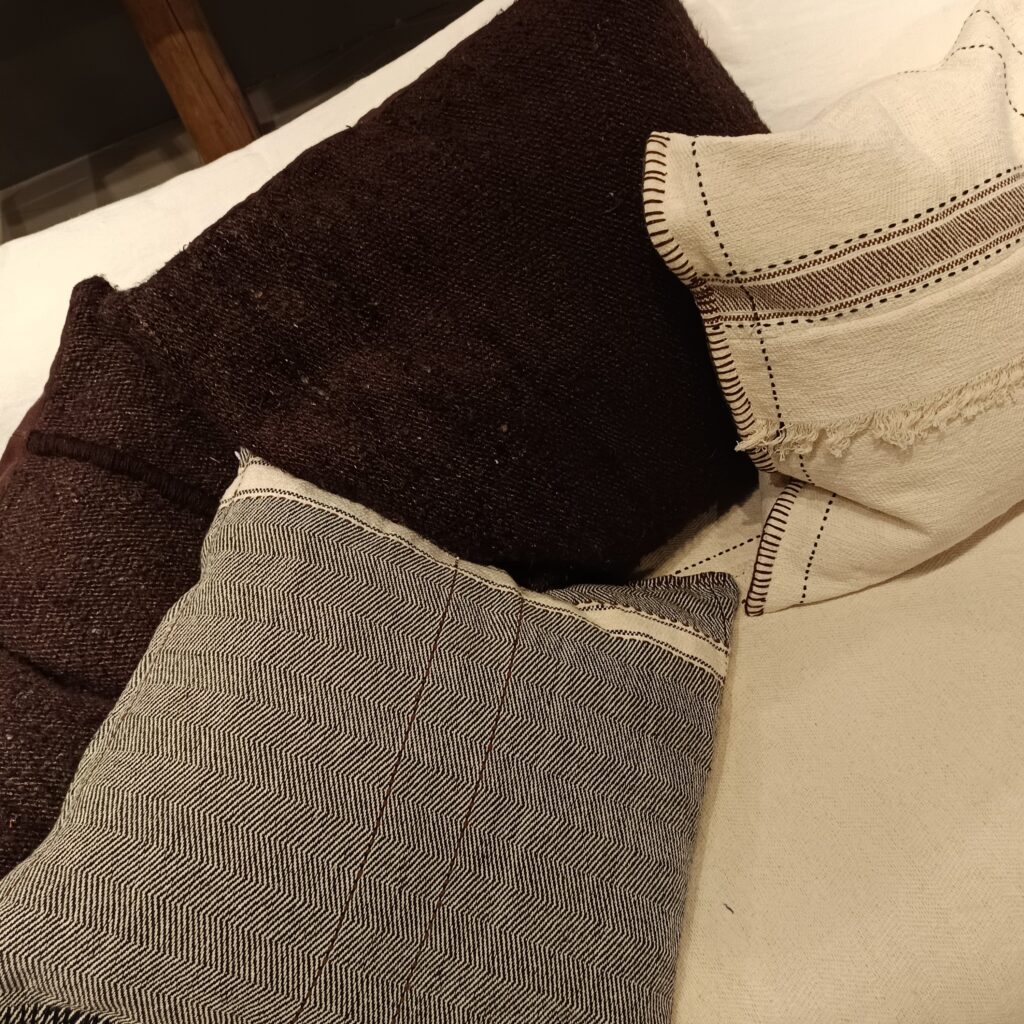

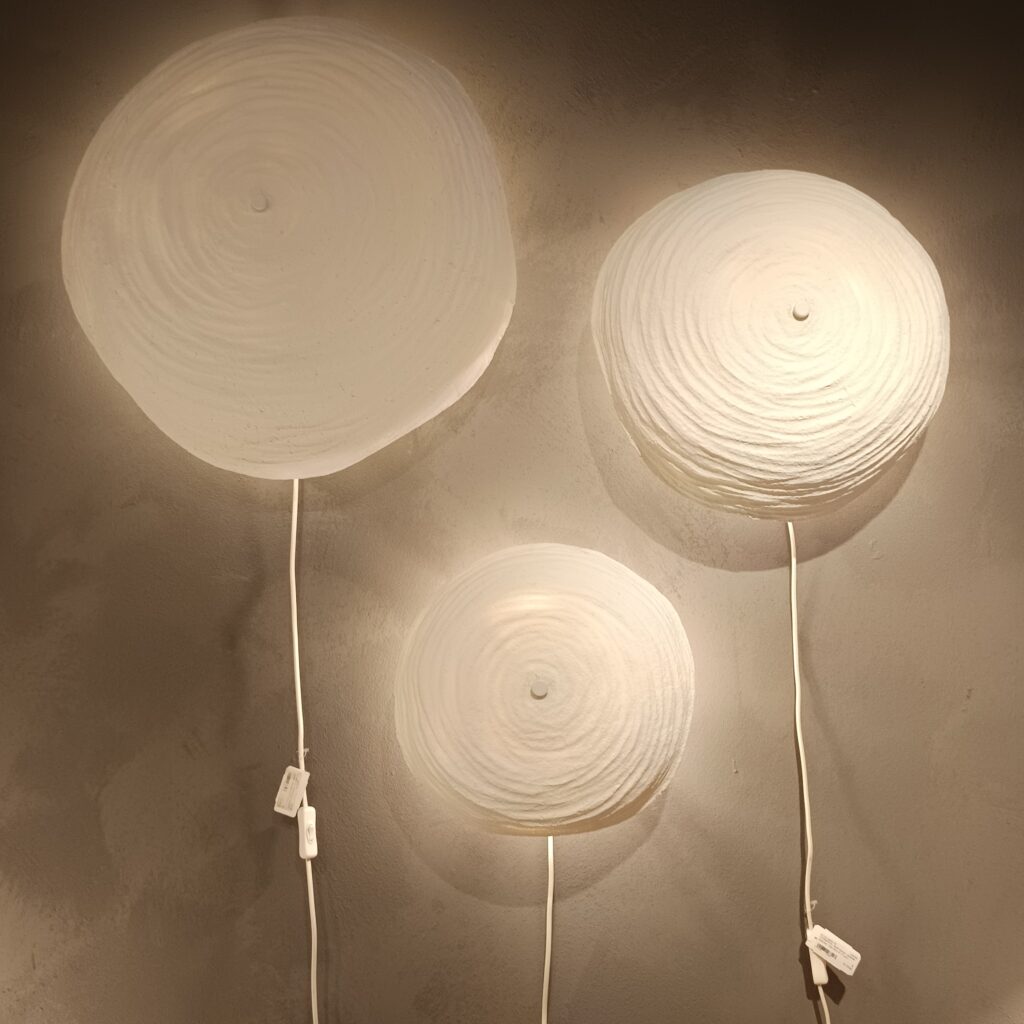
Pomax collaborates with renowned designers in mutually enriching partnerships.
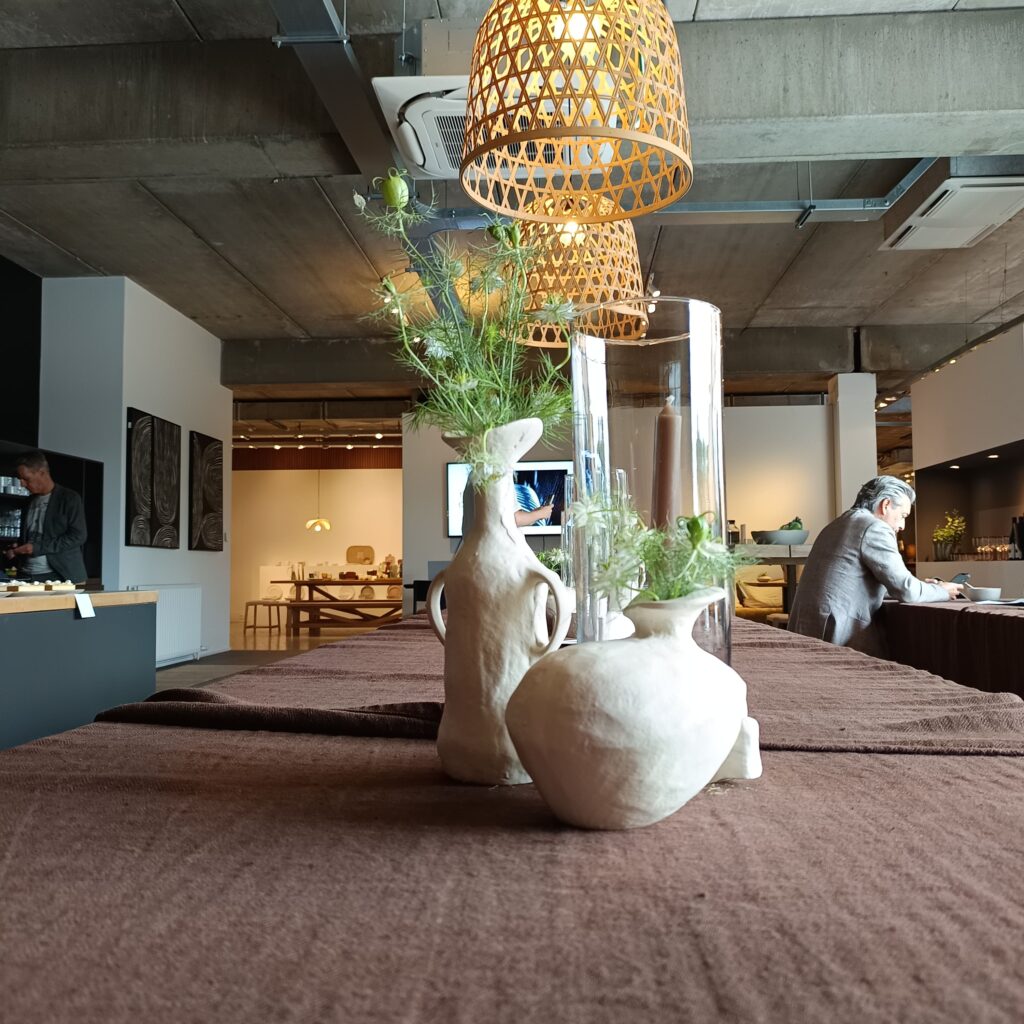
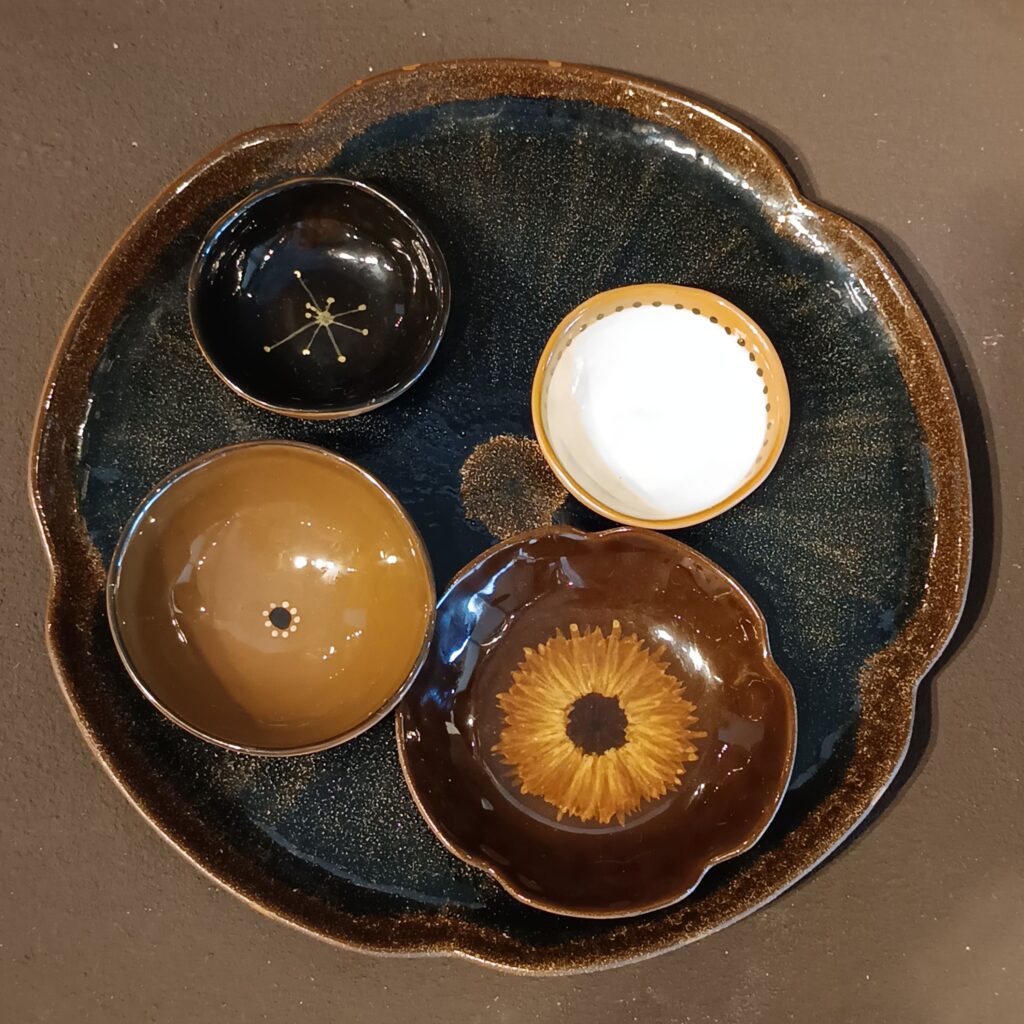
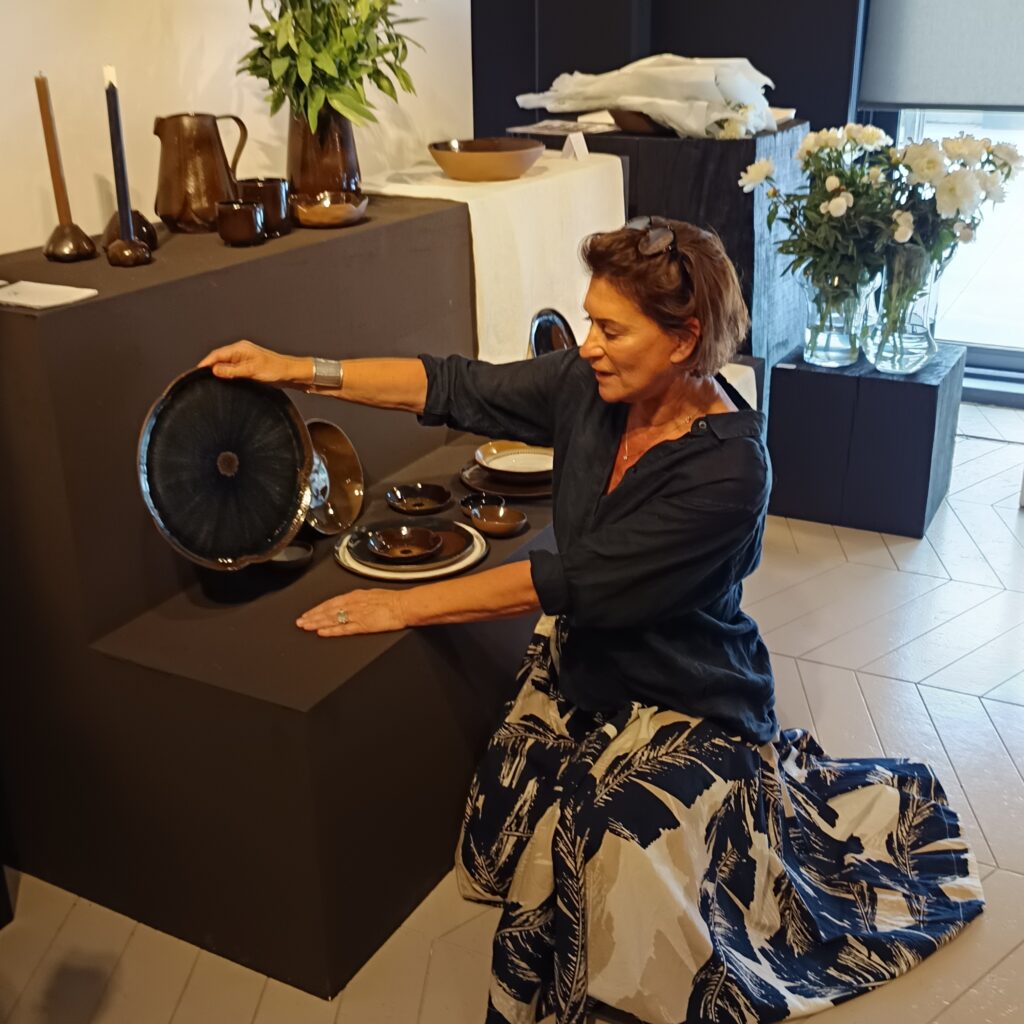
Sophie Casier is a Belgian designer whose work for Pomax embodies quiet aesthetics, natural harmony, and emotional depth. Her approach is rooted in respect for materials, a love of craftsmanship, and a desire to create objects that speak softly but sincerely. When developing her collections, Sophie conveys moods, feelings, and the essence of seasons through form and texture. One of her most notable projects is the ceramic collection “Les 4 Saisons,” inspired by the changing of the seasons. Spring, summer, autumn, and winter are expressed through color, texture, and line — each capturing a specific emotional and tactile experience. The work is infused with the spirit of wabi-sabi: the beauty of simplicity, imperfection, and the human touch. This is not ceramics meant for display, but for daily life — to be used, to age gracefully, to stay close.
For Pomax, Sophie Casier is more than just a designer. She embodies the brand’s philosophy that the home is a space for quiet, warmth, and genuine presence. Her objects serve as visual and tactile “anchors,” shaping an atmosphere in which people can truly be themselves.

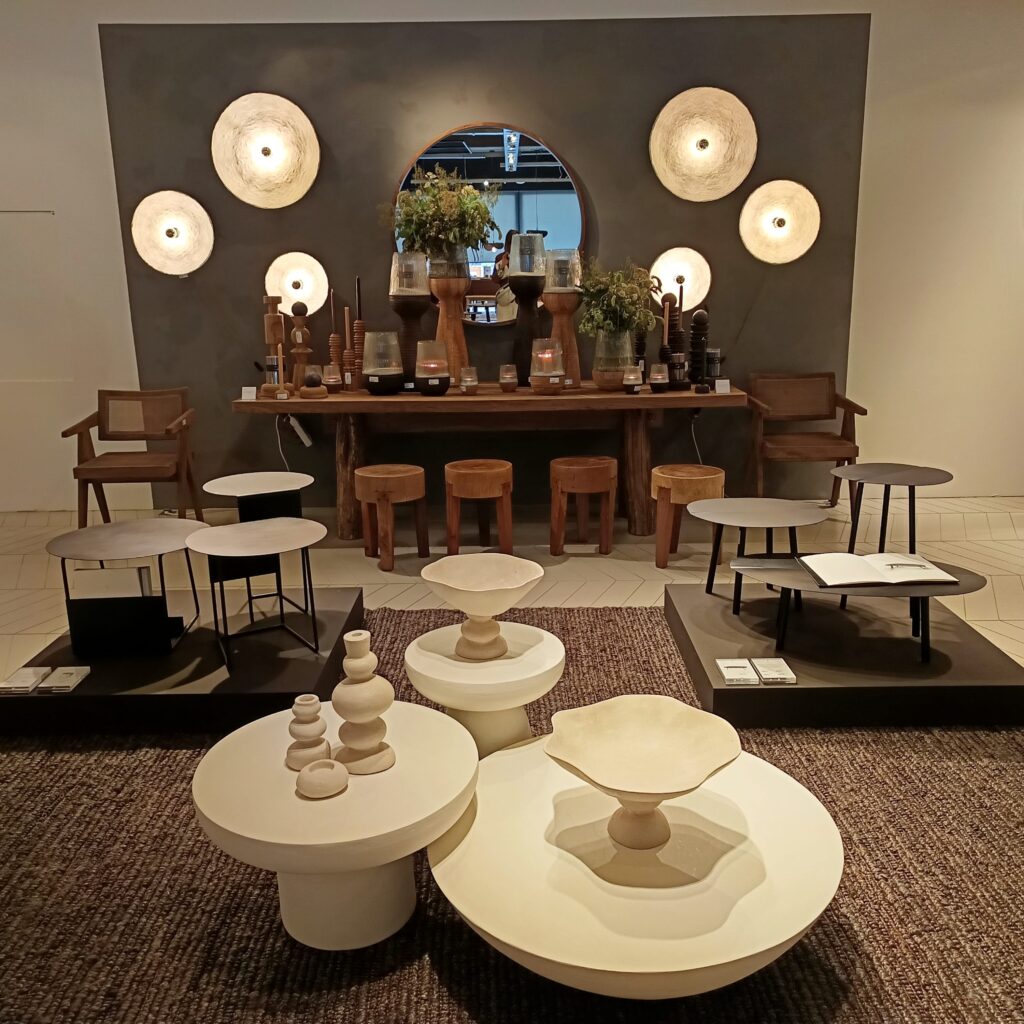
A new creative force in the Pomax design team is the young Dutch designer Koen Van Troost, who has developed several distinctive product lines for the brand. One standout favorite is his trio of coffee tables inspired by the shape of a water lily. Crafted from a lightweight composite material with a mineral base, these tables feature soft, rounded lines reminiscent of unfolding lily petals. Their matte finish has a tactile texture similar to stone, offering a calm, organic presence. The deep anthracite grey color gives the tables a contemporary, refined look, emphasizing their sculptural quality. Thanks to the combination of lightness and strength, the tables are highly versatile and well-suited for both interior spaces and outdoor terraces. This collection blends natural harmony with modern design, perfectly aligning with the Pomax philosophy: beauty rooted in simplicity, functionality, and respect for materials.